Ed Friedlander, M.D., Pathologist
scalpel_blade@yahoo.com

No texting or chat messages, please. Ordinary e-mails are welcome.

|

|
 |
 |
 |
 |
 This site complies with the HONcode standard for trustworthy health information: This site complies with the HONcode standard for trustworthy health information: verify here. |
Cyberfriends: The help you're looking for is probably here.
This website collects no information. If you e-mail me, neither your e-mail address nor any other information will ever be passed on to any third party, unless required by law.
This page was last modified January 1, 2016.
I have no sponsors and do not host paid advertisements. All external links are provided freely to sites that I believe my visitors will find helpful.
Welcome to Ed's Pathology Notes, placed here originally for the convenience of medical students at my school. You need to check the accuracy of any information, from any source, against other credible sources. I cannot diagnose or treat over the web, I cannot comment on the health care you have already received, and these notes cannot substitute for your own doctor's care. I am good at helping people find resources and answers. If you need me, send me an E-mail at scalpel_blade@yahoo.com Your confidentiality is completely respected. No texting or chat messages, please. Ordinary e-mails are welcome.
 I am active in HealthTap,
which provides free medical guidance from your cell phone.
There is also a fee site at
www.afraidtoask.com.
I am active in HealthTap,
which provides free medical guidance from your cell phone.
There is also a fee site at
www.afraidtoask.com.
 If you have a Second Life account, please visit my teammates and me at the Medical Examiner's office. |

|
 |
With one of four large boxes of "Pathguy" replies. |
 I'm still doing my best to answer
everybody.
Sometimes I get backlogged,
sometimes my E-mail crashes, and sometimes my
literature search software crashes. If you've not heard
from me in a week, post me again. I send my most
challenging questions to the medical student pathology
interest group, minus the name, but with your E-mail
where you can receive a reply.
I'm still doing my best to answer
everybody.
Sometimes I get backlogged,
sometimes my E-mail crashes, and sometimes my
literature search software crashes. If you've not heard
from me in a week, post me again. I send my most
challenging questions to the medical student pathology
interest group, minus the name, but with your E-mail
where you can receive a reply.
Numbers in {curly braces} are from the magnificent Slice of Life videodisk. No medical student should be without access to this wonderful resource.
 I am presently adding clickable links to
images in these notes. Let me know about good online
sources in addition to these:
I am presently adding clickable links to
images in these notes. Let me know about good online
sources in addition to these:
 My team:
pathology.org -- my cyberfriends, great for current news and browsing for the general public
EnjoyPath -- a great resource for everyone, from beginning medical students to pathologists with years of experience
Medmark Pathology -- massive listing of pathology sites
Estimating the Time of Death -- computer program right on a webpage
Pathology Field Guide -- recognizing anatomic lesions, no pictures
Freely have you received, freely give. -- Matthew 10:8. My site receives an enormous amount of traffic, and I'm still handling dozens of requests for information weekly, all as a public service.
Pathology's modern founder, Rudolf Virchow M.D., left a legacy of realism and social conscience for the discipline. I am a mainstream Christian, a man of science, and a proponent of common sense and common kindness. I am an outspoken enemy of all the make-believe and bunk that interfere with peoples' health, reasonable freedom, and happiness. I talk and write straight, and without apology.
Throughout these notes, I am speaking only for myself, and not for any employer, organization, or associate.
Special thanks to my friend and colleague, Charles Wheeler M.D., pathologist and former Kansas City mayor. Thanks also to the real Patch Adams M.D., who wrote me encouragement when we were both beginning our unusual medical careers.
If you're a private individual who's enjoyed this site, and want to say, "Thank you, Ed!", then what I'd like best is a contribution to the Episcopalian home for abandoned, neglected, and abused kids in Nevada:

My home page
More of my notes
My medical students
Especially if you're looking for information on a disease with a name that you know, here are a couple of great places for you to go right now and use Medline, which will allow you to find every relevant current scientific publication. You owe it to yourself to learn to use this invaluable internet resource. Not only will you find some information immediately, but you'll have references to journal articles that you can obtain by interlibrary loan, plus the names of the world's foremost experts and their institutions.
Alternative (complementary) medicine has made real progress since my generally-unfavorable 1983 review. If you are interested in complementary medicine, then I would urge you to visit my new Alternative Medicine page. If you are looking for something on complementary medicine, please go first to the American Association of Naturopathic Physicians. And for your enjoyment... here are some of my old pathology exams for medical school undergraduates.
I cannot examine every claim that my correspondents
share with me. Sometimes the independent thinkers
prove to be correct, and paradigms shift as a result.
You also know that extraordinary claims require
extraordinary evidence. When a discovery proves to
square with the observable world, scientists make
reputations by confirming it, and corporations
are soon making profits from it. When a
decades-old claim by a "persecuted genius"
finds no acceptance from mainstream science,
it probably failed some basic experimental tests designed
to eliminate self-deception. If you ask me about
something like this, I will simply invite you to
do some tests yourself, perhaps as a high-school
science project. Who knows? Perhaps
it'll be you who makes the next great discovery!
Our world is full of people who have found peace, fulfillment, and friendship
by suspending their own reasoning and
simply accepting a single authority that seems wise and good.
I've learned that they leave the movements when, and only when, they
discover they have been maliciously deceived.
In the meantime, nothing that I can say or do will
convince such people that I am a decent human being. I no longer
answer my crank mail.
This site is my hobby, and I do not accept donations, though I appreciate those who have offered to help.
During the eighteen years my site has been online, it's proved to be one of the most popular of all internet sites for undergraduate physician and allied-health education. It is so well-known that I'm not worried about borrowers. I never refuse requests from colleagues for permission to adapt or duplicate it for their own courses... and many do. So, fellow-teachers, help yourselves. Don't sell it for a profit, don't use it for a bad purpose, and at some time in your course, mention me as author and William Carey as my institution. Drop me a note about your successes. And special thanks to everyone who's helped and encouraged me, and especially the people at William Carey for making it still possible, and my teaching assistants over the years.
Whatever you're looking for on the web, I hope you find it, here or elsewhere. Health and friendship!



|
|
|
|
|
|
|
|
|
|
{14945} anterior (A) and posterior (B) pituitary
{02294} anterior pituitary, histology; curious stain, don't worry about the colors
{14948} posterior pituitary, histology (arrow: Herring body)
OBJECTIVES;
Recognize grossly and/or microscopically as appropriate:
Vocabulary:
Do a basic lab workup for the diagnosis of each disease listed above.
 KCUMB Students
"Big Robbins" -- Endocrine
Lectures follow Textbook
QUIZBANK
Endocrine (It's impossible to separate pituitary, adrenal, thyroid, parathyroid, etc. Look at it all now.)
INTRODUCTION
Pituitary disease, like other endocrine disease, is fairly common, and is generally treatable if (and only if!) you discover it. Overview of the surgical pathology of the pituitary gland ("practical pituitary pathology"): Arch. Path. Lab. Med. 132: 1231, 2008.
The ADENOHYPOPHYSIS ("anterior pituitary") produces ACTH, TSH, FSH, LH, GH, and prolactin. No need to review these (or even what they stand for), beyond mentioning that if the input from the hypothalamus is interrupted, the adenohypophysis makes more prolactin and less of everything else.
HYPERPITUITARISM is defined as too much of one (or maybe two) of the hormones from the adenohypophysis. This may be due either to autonomous over-production (i.e., from a primary adenoma here, true adenocarcinoma of the adenohypophysis is very rare: Cancer 79: 804, 1997, J. Neurosurg. 96: 352, 2002), from excess production of hypophyseal stimulating factors or underproduction of inhibiting factors, or loss of inhibition following destruction of other endocrine glands. Some genetic syndromes are also known.
HYPOPITUITARISM ("Simmonds's disease") is defined to mean loss of one or more (often all) of the hormones from the adenohypophysis. You need to lose about 75% of the mass of the adenohypophysis before any clinical changes occur. PANHYPOPITUITARISM indicates loss of most or all of the hormones of the adenohypophysis.
The illness is underdiagnosed and deadly (Lancet 369: 1461, 2007).
In generalized anterior pituitaryfailure, loss of the hormones follows a predictable sequence. First growth hormone goes ("I don't feel good"), then FSH/LH ("My libido is gone"), then TSH and ACTH (danger to life).
The NEUROHYPOPHYSIS ("posterior pituitary") is composed of the axons of hypothalamic neurons. The "pituicytes" are modified glial elements. You may notice "Herring bodies" here, composed of ADH and maybe oxytocin awaiting release. (Of course the neurohypophysis secretes ADH and oxytocin).
The PARS INTERMEDIA, which seems to be vestigial in humans, consists of a few colloidal cysts that look like thyroid gland, but are actually remnants of Rathke's pouch and the presumed origin of the craniopharyngioma. The pars intermedia contains some odd breakdown products of the endorphin-and-ACTH precursor molecule. It's long been known that the pars intermedia enables frogs and chameleons change skin color; now we know this is done by chromogranin (Endocrinology 140: 4104, 1999).
You also know that the pituitary itself lies in the "sella turcica" (Turkish saddle) of the skull, with an extension of dura (the "diaphragma sellae") serving as the roof. The pituitary stalk passes through a hole in the middle of the sella. The pituitary gets its blood via a portal system from the hypothalamus, which carries the various brain hormones that control its function.
LABS TO LOOK FOR PITUITARY INSUFFICIENCY
To confirm endocrine insufficiency, you'll usually perform a STIMULATION TEST. In other words, you'll do something that should make the patient produce the hormone in question. If enough of the hormone does not appear in the blood, you have confirmed that disease is present.
I suggest you leave the arcane tests to the endocrinology consultant. Here's a what's-worth-knowing account for each pituitary hormone.
NOT ENOUGH ACTH... Careful!
Picking up "secondary adrenocortical insufficiency" is fraught with pitfalls. First, it is hard to measure ACTH accurately, since it sticks to the glass tubes. Second, in suspected addisonism, stressing patients by putting them through tests like these can kill them. Think about covering them with a bit of cortisol.
"CRH test": Give corticotropin releasing hormone by vein. Look for an appropriate increase in ACTH and cortisol.
"Insulin tolerance test": Give insulin to drop the blood glucose below 40 mg%. Look for an appropriate increase in serum cortisol.
* "Metyrapone test": Give metyrapone, which blocks conversion of 11-deoxycortisol into cortisol, at midnight. This renders the patient unable to make cortisol and if the pituitary kicks in as it should and there's a good adrenal, there should be a great deal of 11-deoxycortisol in the blood in the morning. Also measure plasma cortisol to see if the patient took the medicine and has good adrenals. I cannot recommend this test to screen for pituitary insufficiency.
"ACTH stimulation test": Give ACTH and see if you get a cortisol and aldosterone response. Of course this is really testing the adrenal gland's ability to respond, but if the pituitary hasn't been making ACTH, the adrenal will be atrophic. You can repeat the test over the next few days, and if the response is better each time, the problem is in the pituitary (why?); if not, the problem is in the adrenal (why?)
Catheter artists sampling petrosal sinus blood for ACTH levels ("Where's that tumor?") may give CRH beforehand (update on the technique: J. Clin. Endo. Metab. 91: 221, 2006).
NOT ENOUGH ANTI-DIURETIC HORMONE
Restrict water for a while, perhaps overnight and/or until the patient is uncomfortable. If the urine does not rise above 1.010 SG / 300 mOSM/L, you have diabetes insipidus (either from ADH deficiency or kidney tubule disease). To see whether ADH deficiency is the cause (rather than a kidney tubule problem), give an injection of ADH (as desmopressin).
Hardcore physicians may administer hypertonic saline to get the test over with, and/or assay plasma ADH before and during the procedure.
NOT ENOUGH FSH, LH
"GnRH test": If you must do a stimulation test, this is the way to see whether FSH and LH can be raised.
"Arginine test": A large amount of arginine is infused slowly by vein.
"GHRH test": Growth hormone releasing hormone is given by vein.
"Insulin tolerance test": Give insulin to drop the blood glucose below 40 mg%.
"L-DOPA test": A big dose of L-Dopa is given orally.
"TRH test": A dose is given by vein. This should greatly increase TSH levels. Same warning as before.
TOO MUCH ACTH
"High dose dexamethasone suppression test": 8 gm of dexamethasone is usually enough to suppress an ACTH-producing pituitary adenoma and the cortisol production that results from it. Other protocols exist. Of course, this has no effect on an oat cell carcinoma, thymoma, or carcinoid that is pumping out ACTH and/or CRF, or on an adrenal cortical adenoma that is putting out cortisol autonomously.
* Midnight salivary cortisol to screen for cushingism: J. Clin. Endo. Metab. 89: 3345, 2004. This is now becoming popular, and cutoffs for various kinds of patient are being determined (J. Clin. Endo. Metab. 95: 4555, 2010).
* The "hair cortisol" technique of monitoring levels over time is still a research tool (Endocrinology 153: 1042, 2012).
TOO MUCH ANTI-DIURETIC HORMONE
Please don't order a plasma ADH if you're looking for SIADH.
ANTERIOR LOBE ADENOMAS (Am. Fam. Phys. 88: 319, 2013; curious five-tier WHO classification Cancer 78: 502, 1996; tumorigenesis J. Clin. Inv. 112: 1603, 2003)
{15683} pituitary adenoma, gross
{15682} pituitary adenoma with hemorrhage
{49422} pituitary adenoma, gross
{49612} pituitary adenoma, gross
{09214} pituitary adenoma, histology (this was a prolactinoma; you couldn't tell)
{24821} pituitary acidophilic adenoma, Orange G stain (acromegaly)
{09215} pituitary adenoma, histology
{15679} pituitary adenoma, histology
{05026} pituitary adenoma, x-ray
{00344} pituitary adenoma, x-ray
Pituitary adenomas constitute 10% of all diagnosed primary intracranial tumors. They can occur at any age, with no great sex predominance. MICROADENOMAS are less than 1 cm; MACROADENOMAS are 1 cm or more.
They are more common in patients with autosomal dominant multiple endocrine neoplasia (MEN) I syndrome (gene MENIN) and the less-common Carney complex.
If there are other pituitary-adenoma family syndromes, they are rare (J. Clin. Endo. Metab. 91: 3316, 2006).
* An extended Irish family prone to pituitary adenomas and acromegaly / prolactinoma, including a skeleton from the 1700's examined by Harvey Cushing, has a mutated aryl hydrocrabon-interacting protein gene (AIP): NEJM 304: 43, 2011; the familial syndrome is now well-characterized and the tumors are quite troublesome ("familial isolated pituitary adenomas"; J. Clin. Endom Metab. 95: E373, 2011; J. Clin. Endo. Metab. 97: E663, 2012).
While the etiology of these tumors is almost entirely unknown, current work confirms clonality, at least for prolactinomas (Cancer 95: 258, 2002), i.e., regardless of what hormonal factors at work, they are true tumors.
The classic teaching is that "almost all pituitary tumors of glandular origin are benign." Today, however, we distinguish the majority of pituitary adenomas (which are treated successfully by the classic trans-sphenoidal resection) from the 35% or so that are "locally invasive" and probably can't be resected fully without causing brain damage (Postgrad. Med. 121: 168, 2009) and must be radiated and/or treated medically.
Most of these tumors are not completely autonomous, and remain to a limited extent under feedback control of the usual non-pituitary hormones.
* An oncogene PTTG is known (J. Clin. Endo. Metab. 84: 761, 1999). However, unlike other common tumors, there's little uniformity in the known genetics of pituitary adenomas from patient to patient: J. Clin. Path. 56: 561, 2003.
Around 40% of pituitary tumors from acromegalics have activation, by mutation, of gene for the alpha-chain of Gs, (oncogene gsp), the stimulatory regulator of adenyl cyclase (J. Clin. End. Met. 71: 1416, 1990; J. Clin. End. Metab. 83: 1604, 1998; Cancer 72: 1386, 1993; J. Clin. Invest. 91: 2815, 1993).
Pituitary adenomas typically present as one or more of the following:
(1) endocrine problems, both from hormones produced by the tumor itself and from damage to the rest of the adenohypophysis and/or the neurohypophysis;
(2) visual problems, from an expanding mass impinging on the optic chiasm (i.e., bitemporal hemianopsia; "Big Robbins" contains an error here) or optic nerves (blindness in one eye);
(3) enlarged sella turcica on skull x-rays, again due to expanding masses;
(4) least often, signs of increased intracranial pressure (i.e., headache, nausea and vomiting).
Large pituitary adenomas eventually erode the sella, clinoid processes, diaphragma sellae, optic nerves and chiasm, and even the cavernous sinuses(serious, especially when lower-down in the sinus: J. Neurosurg. 122: 803, 2015), nasal sinuses, or brain.
Despite this local destruction, cancers (i.e., metastasizing tumors) of the adenohypophysis are very rare, and the presence of metastases is the only criterion for malignancy.
Infarction / hemorrhage into a large pituitary adenoma can produce PITUITARY APOPLEXY, which can simulate a berry aneurysm rupture. Large tumors may also infarct themselves, leading to remission or destruction of the remaining normal gland as well, a less dramatic clinical picture. Updates J. Neurosurg. 104: 931, 2006; J. Neurosurg. 108: 909, 2008; J. Neurosurg. 122: 1444 and 1450, 2015. Most bleeds into prolactinomas are asymptomatic (J. Clin. Endo. Metab. 98: 2362, 2013).
Microscopically, pituitary adenomas are typical endocrine adenomas, i.e. they are composed of cuboidal cells, with round nuclei and a good blood supply.
ACIDOPHILIC ADENOMAS (eosinophilic adenomas) typically make growth hormone and/or prolactin.
BASOPHILIC ADENOMAS typically make ACTH; less often, they make TSH or the gonadotropins.
CHROMOPHOBE ADENOMAS typically make prolactin (which they may or may not actually secrete) or "nothing" ("null cell adenoma", * stains as a apudoma).
However, there are many exceptions. We recommend immunostaining over reliance on either H&E, other histochemical stains, or electron microscopy.
We would like you to know the approximate frequencies of production of various hormones by pituitary tumors:
Prolactin... 30%...Men: impotence, loss of libido; Women: amenorrhea, galactorrhea, infertility; Both: Obesity (Acta Endo. 125: 392, 1991)
Growth hormone...30%... Children: gigantism; Adults: acromegaly (* may be silent: Am. J. Path. 134: 345, 1989). Many of these also make some prolactin.
ACTH... 15%... Cushing's disease
LH, FSH... 25%?... Many of these make only the beta-chains, and are not hormonally active
Some say that "non-functioning" pituitary adenoma is still the most common (J. Clin. Endo. Metab. 97: 1745, 2012). Most are silent until mass effect or autopsy makes the tumor known. NOTE: FSH and LH production by pituitary adenomas was, until recently, considered "rare". Now it is clear, thanks to improved staining (Am. J. Clin. Path. 106: 16, 1996) and clinicians' studies, that many (if not most) "non-functioning" pituitary adenomas will produce FSH and/or LH (or some subunit thereof), at least if TRH is given for stimulation (NEJM 324: 589, 1991). Review Mayo Clin. Proc. 71: 649, 1996.
TSH... uncommon but by no means unknown Hyperthyroidism (Ann. Int. Med. 111: 827, 1989; South. Med. J. 96: 933, 2003; J. Clin. Endo. Metab. 93: 4052, 2009)
None... ??
* Pancreastatin... An obscure hormone still in search of a disease, found in most or all non-prolactin-producing pituitary adenomas; derived from chromogranin, it inhibits insulin and PTH production (Am. J. Path. 148: 2057, 1996). It still is studied occasionally but there's been no "breakthroughs."
PROLACTINOMAS ("lactotrophic adenomas") are typical benign endocrine tumors, often with large eosinophilic cells.
Real functioning prolactinomas in women generally declare themselves while quite small. But remember that there are many other causes of hyperprolactinemia, including hypothalamic tumors (* i.e., craniopharyngiomas, gliomas, hypothalamic germinomas) and anti-dopamine drugs (phenothiazines, reserpine, alpha-methyldopa -- common). Try to demonstrate a mass before operating.
We've recently noticed that about 9% of people with big prolactinomas have CSF rhinorrhea (J. Clin. Endo. Metab. 92: 3829, 2008) not the result of surgery. Again, please don't miss this.
The treatment of choice for prolactinomas is the dopamine agonist bromocriptine with or without surgery (Am. J. Dis. Child. 144: 20, 1990) or gamma knife; bromocriptine almost invariably causes some significant tumor regression. Newer agents are available including cabergoline (now widely used: J. Clin. Endo. Metab. 86: 5256, 2001; J. Clin. Endo. Metab. 89: 1704, 2004).
After a few years on treatment, these tumors may regress and the bromocriptine is no longer necessary: J. Clin. Endo. Metab. 87: 3578, 2002.
* Future pathologists: expect a high N/C ratio and/or fibrosis in a medically treated prolactinoma (why)?
* Note that the treatment of choice for all other kinds of anterior pituitary adenomas is probably still surgery. Gamma knife radiosurgery / stereotactic radiation therapy is also coming into use, and there is now considerable experience (Cancer 110: 854, 2007).
* Hyperprolactinemia not due to prolactinoma is rare. Prolactin receptor mutation: NEJM 369: 2012, 2013.
GIGANTISM AND ACROMEGALY (J. Clin. Inv. 119: 3189, 2009):
{49419} giant and her sisters
{16101} acromegaly
{25668} acromegaly (which twin has it?)
{49421} acromegaly, hand (compared with normal)
|
Excess growth hormone before puberty produces excessively tall stature. In the past, these people typically were crippled by nerve, muscle, and joint problems, acquired acromegalic features as they got older, and died young of complications of their diabetes. A giant is defined to be a human over seven feet tall (you may hear 200 cm instead). |  George Muresan |
Excess growth hormone after puberty produces acromegaly.
The typical acromegalic has a huge jaw ("prognathism"), huge brows, huge tongue, and huge hands (with "spade fingers"), develops a deep guttural voice, gets an oily skin (extra sebaceous glands), gets joint deformities (if not frank arthritis), and suffers from secondary diabetes and often sleep apnea.
The increased coronary risk is well-established (J. Clin. Endo. Metab. 95: 3648, 2010) -- poor glucose tolerance, hypertension, and lipid problems are all part of the illness, and perhaps there's an independent contribution from growth hormone.
* Lately it's been noticed that in acromegaly, as in patients on some of the protease inhibitors, storage fat tends to become deposited inside skeletal muscle ("lipodystrophy"; J. Clin. Endo. Metab. 100: 2946, 2015.)
The osteoporosis in acromegaly involves trabecular bone and spares cortical bone (J. Clin. Endo. Metab. 98: 1734, 2013). Not surprisingly, acromegalics (treated or not) are at much greater risk for vertebral fractures (J. Clin. Endo. Metab. 98: 3402, 2013).
* The popular wisdom is that acromegalics are around 2.5 x more likely to develop tumors (benign, malignant) than their counterparts (Arch. Int. Med. 151: 1629, 1991). Lately this hasn't held up (J. Clin. Endo. Metab. 85: 3417, 2000).
Acromegaly kills its victims, taking an average of 10 years off life. Effective treatment of the adenomas brings overall mortality back to levels similar to the unaffected (J. Clin. End. Metab. 83: 3409, 1998).
* Growth hormone is of course popular among bodybuilders and "anti-aging" cultists, who obtain it though it is not medically indicated (JAMA 299: 2792, 2008 reviews the genuine indications -- adult growth hormone deficiency needs a proper workup; JAMA now suggests stimualtion testing and a hGH level).
* A physician makes the call in a basketball player while watching a game: Am. J. Med. Sci. 346: 169, 2013.
The lab workup of acromegaly is straightforward. Your screening test is a spot blood insulin-like growth factor I (IGF-I). If this is normal, acromegaly is unlikely. Next, attempt suppression of the hGH levels to <1 microgram/L by administering 75 grams of glucose orally (yuck). If this fails, your patient probably has acromegaly. |  Jaws |
Most pituitary giants and acromegalic patients have a pituitary macro-adenoma (i.e., >10 mm).
The classic "acidophilic adenomas" are "densely granulated", which gives a better surgical prognosis. Many of these patients have "sparsely granulated / chromophobe" adenomas instead. There's no correlation between growth hormone levels and tumor type; which type responds best to which medical therapies is presently under study.
* The best treatment is surgery, when feasable; some teams are now following up with gamma-knife radiation (J. Neurosurg. 113S: 149, 2010).
The big news in pituitary disease during the last few years has been the application of the long-acting somatostatin analogue octreotide ("Sandostatin") to the treatment of acromegaly. This often shrinks the tumor, and seems to make these tumors physically softer, making it easier to remove them surgically (J. Clin. End. Metab. 86: 2779 & 5194, 2001, J. Clin. Endo. Metab. 90: 440 & 1588, 2005; J. Clin. Endo. Metab. 91: 1397, 2006; lots more). A long-acting depot form is available.
Radiation is reserved for those who have failure with surgery (J. Clin. Endo. Metab. 88: 3105, 2003).
* There's a growth hormone receptor antagonist called pegvisomant available that seems to work for youngsters from whom the adenoma cannot be fully removed (J. Clin. Endo. Metab. 93: 2953, 2008; J. Clin. Emdo. Metab. 97: 1227, 2012).
Not surprisingly, the new transgenic mice that overproduce human growth-hormone releasing factor get hyperplasia and adenomas of growth hormone and prolactin producing cells (Endocrinology 131: 2083, 1992), and morphologic changes elsewhere resembling those in acromegaly (Am. J. Path. 141: 895, 1992).
* Mutated GPR101 (Xq26) has been found in some of these tumors, including those from two acromegaly families (NEJM 371: 2363, 2014).
* There are a couple of poorly-understood "acromegaloid" syndromes, with the acromegaly look and the insulin resistance, but normal growth hormone levels. Some of these folks have elevated levels of other growth factors. As above, the familial tumor syndrome, mutated AIP on 11q13, produces only GH-omas (Science 312: 1228, 2006).
CUSHING'S DISEASE:
{09367} Cushingism
{09368} Cushingism
{09369} Cushingism
{09370} Cushingism
{16110} Cushingism
{16111} Cushingism
{49427} Cushingism
{25669} Cushingism, before and after treatment
You are already acquainted with the signs of Cushingism. "Cushing's disease" implies production of ACTH by a pituitary tumor, usually a small microadenoma. There is usually not enough ACTH production to darken the skin.
While the role of CRF in producing these adenomas may be important, they do appear to be monoclonal overgrowths (J. Clin. End. Met. 75: 472, 1992) that have lost some, but not all, of the ability of high levels of cortisol to inhibit their growth (Endo. Rev. 20: 136, 1999).
* One famous fact about these microadenomas is that they're so small and mushy that they are likely to wash out before the surgeon is even able to find them. The ACTH levels drop after surgery, though, letting everyone know what's happened.
* Transgenic mice (two kinds) with Cushing's disease: Am. J. Path. 140: 1071, 1992.
As you know, most cases of old-time "idiopathic adrenal hyperplasia" were really due to ACTH-omas. In the old days when we'd remove both hyperplastic adrenals, the ACTH-oma, which was under some feedback inhibition, would grow to a tremendous size, turn the patient's skin brown, and blind and kill the patient ("Nelson's syndrome"). Establish your diagnosis and take the pituitary out instead.
Back in the Bad Old Days, if you got an ACTH-producing pituitary adenoma, you would probably be really sick for a while and then die of it. Today you will probably get a cure (Ann. Int. Med. 130: 821, 1999); however persistence / recurrence is disturbingly common (J. Clin. Endo. Metab. 89: 6348, 2004).
* Future catheter artists: Even today, it's often hard to find the adenoma on imaging studies, especially in younger folks (J. Clin. Endo. Metab. 90: 5134, 2005). It's long been a practice to find and lateralize non-visualized adenomas by comparing simultaneous ACTH measurements in the petrosal sinuses (see, for example, Am. J. Ob. Gyn. 171: 563, 1994). This is being applied to more diseases (Am. J. Med. 87: 679, 1989; NEJM 324: 822, 1991).
SECONDARY HYPERTHYROIDISM
Mysteriously (and fortunately), TSH-producing adenomas of the pituitary gland are quite rare. They tend to look a little bit anaplastic and to be locally aggressive. See Pediatrics 126: e474, 2010.
"Pituitary hyperplasia due to resistance to thyroid hormone" (J. Clin. End. Met. 75: 1071, 1992) isn't well-understood. Patients have excess hTSH and become hyperthyroid.
* Future pathologists:
PITUITARY INCIDENTALOMAS: It's been known for decades that in maybe 30% autopsies on grown-ups, if you look really hard, you'll find a "pituitary microadenoma", generally "prolactin-producing". (One recent series of old autopsy pituitaries, without a diligent search of each, found 10% with 1 "adenoma", 1% with 2 or more: J. Neurosurg. 74: 243, 1991; we're now using our high-resolution MRI's to find that around 10% of live folks have them, too: Ann. Int. Med. 120: 817, 1994; Cancer 101: 613, 2004). Just how "autonomous" these "tumors" are, and their real status as "neoplasms", is very dubious; the one's I've seen look like typical endocrine-gland hyperplastic nodules ("gland bumps"). Nowadays they're routinely called "incidentalomas"; if there are no hormonal abnormalities, leave them alone, even if the pituitary seems a bit large (J. Clin. Endo. Metab. 86: 3009, 2001) Practice guideline J. Clin. Endo. Metab. 96: 894, 2011.
Clinicians are now picking these up on NMR scans and learning to ignore them, except for the rare ones over 10 mm (Ann. Int. Med. 122: 925, 1990; Arch. Int. Med. 155: 181, 1995).
Sometimes telling microadenoma from normal gland or hyperplastic is tricky. Microadenomas will lack the normal reticulin pattern of pituitary gland, and have homogeneous cells (morphology, immunostaining). Hyperplastic glands retain normal reticulin but the cell groups are larger.
Occasionally, secondary prolactin production is caused by the tumor blocking the portal system, keeping dopamine from reaching the non-neoplastic gland.
Most of the pituitary hormones can be secreted by carcinoids and oat-cell carcinomas elsewhere in the body.
Some pituitary adenomas are eosinophilic not because they derive from GH- or prolactin-producing cells, but because they are packed with mitochondria. You've seen these "oncocytomas" or "Hürthle cell adenomas" elsewhere.
Nowadays, some pathologists diagnose ATYPICAL PITUITARY ADENOMA when the Ki-67/MIB-1 labeling exceeds 3% and the nuclei stain with p53. They're much more likely to recur, but really aren't cancer; update for neurosurgeons J. Neurosurg. 114: 336, 2011. Ki-67 status as the most important predictor of behavior: J. Clin. Endo. Metab. 97: 1745, 2012.
Pituitary carcinomas are very rare, and no one knows exactly how to distinguish them from adenomas. So far, what has been most helpful is immunostaining for Ki-67 and p53 (J. Clin. Endo. Metab. 90: 3089, 2005).
 Pituitary adenoma
Pittsburgh Illustrated Case
PANHYPOPITUITARISM (NEJM 330: 1651, 1994)
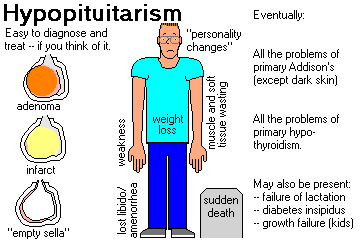
The symptoms of panhypopituitarism are highly variable.
Growth hormone doesn't have spectacular effects on adults, and for years, we taught that its impact is negligible. Now we know this isn't true. It slows the body wasting that occurs in old age (NEJM 323: 1, 1990). Adults lacking growth hormone have more fat and less muscle per pound of body weight (Am. J. Clin. Nutr. 55: 918, 1992); the heart may also actually be weaker (Br. Heart. J. 67: 92, 1992), and growth hormone also helps maintain the skeletal muscles. See below.
Loss of gonadotropins produce loss of libido and body hair.
* There's an idiopathic, adult-onset loss of gonadotropin that produces treatable male infertility NEJM 336: 410, 1997. At least many of these patients with "idiopathic hypogonadotropic hypogonadism" have autoantibodies against the gonadotropin secreting cells of the pituitary (J. Clin. Endo. Metab. 92: 604, 2007).
Loss of prolactin prevents lactation, which would only be noticed after childbirth.
Loss of thyrotropin produces secondary hypothyroidism (i.e., cretinism in children, problems culminating in myxedema in adults).
Loss of ACTH produces secondary adrenal insufficiency, which is just as deadly as primary adrenal insufficiency. (Fortunately, this happens only very late in the progression of the disease.)
If the posterior pituitary gland is involved, loss of ADH produces pituitary diabetes insipidus.
Patients with hypopituitarism from a variety of causes are unusually prone to precocious atherosclerosis. The premature cardiovascular disease mortality has been known for decades (Lancet 336: 285, 1990). One robust finding is that "adult-onset growth hormone deficiency" (see below) is a risk factor for atherosclerosis, and now it appears that replacing it helps prevent / reverse the process (J. Clin. Endo. Metab. 93: 3416, 2008).
Most of the time, hypopituitarism is due to
(1) destruction of the pituitary by a pituitary adenoma, surgery, radiation (Q. J. Med. 70: 145, 1989), or trauma;
(2) Sheehan's pituitary necrosis, or
(3) the "empty sella syndrome", or
(4) (and this gets overlooked) stroke (J. Clin. Endo. Metab. 95: 4660, 2010) / severe head injury (J. Neurosurg. 113: 532 & 581, 2010) / infectious meningitis (J. Clin. Endo. Metab. 95: 3277, 2010).
Also worth considering are vascular problems (i.e., cavernous sinus thrombosis, obvious) and sarcoidosis (not at all obvious; update Medicine 86: 259, 2007). And of course, after surgical cure of acromegaly, adult growth hormone deficiency is often a problem (J. Clin. Endo. Metab. 95: 567, 2010).
LYMPHOCYTIC HYPOPHYSITIS is a rare cause of pituitary insufficiency and a mass lesion; the traditional teaching is that most patients are postpartum women but more recently sex ratios have been about equal (J. Neurosurg. 101: 262, 2004). As a cause of sudden death: AMFJP 30: 61, 2009. Most cases self-cure; today rituximab has helped when the disease is persistent (J. Neurosurg. 116: 1318, 2012).
* IgG4 hypophysitis is similar to its counterparts elsewhere; patients may or may not have symptoms (J. Clin. Endo. Metab. 98: 1808, 2013). GRANULOMATOUS HYPOPHYSITIS produces a mass and sometimes pituitary insufficiency: J. Neurosurg. 71: 681, 1999; I've seen a case. Both are likely to be be operated as "adenomas" and the correct diagnosis established later by the pathologist; one must be extremely alert to suspect the diagnosis before the (? unnecessary) surgery (J. Clin. Endo. Metab. 86: 1048, 2001). For some reason, the disseminated histiocytic diseases (Langerhans cell histiocytosis, Erdheim-Chester, Rosai-Dorfman) are prone to attack the adenohypophysis as well.
* A genetic syndrome lacks a transcription factor needed for making growth-hormone, prolactin, and TSH (Science 257: 1118, 1992.)
* Yet another mutation, lack of PROP1, prevents production of all the hormones of the adenohypophysis except for (sometimes) ACTH (Nat. Genet. 18: 147, 1998; J. Clin. Endo. Metab. 85: 4566, 2000; J. Clin. Endo. Metab. 89: 5256, 2004). POU1F prevents productions of GH, prolactin, and TSH (J. Clin. Endo. Metab. 90: 4762, 2005). Even ACTH usually is insufficient: J. Clin. Endo. Metab. 89: 5256, 2004.
Hypopituitarism after TB meningitis in childhood is a problem in the poor nations (Ann. Int. Med.
118: 701, 1993). In this series, around 1/5 of childhood survivors of TB meningitis were left with
hypopituitarism.
meningitis in childhood is a problem in the poor nations (Ann. Int. Med.
118: 701, 1993). In this series, around 1/5 of childhood survivors of TB meningitis were left with
hypopituitarism.
SHEEHAN'S PITUITARY NECROSIS ("postpartum pituitary necrosis") occurs when shock complicates a problem delivery. The drop in blood pressure results in inadequate blood supply to the gland, which is already hyperplastic and has its vessels squeezed half-shut. Hence, it undergoes watershed infarction.
Less often, pituitary necrosis results from sickle cell disease, temporal arteritis, or trauma.
* For some reason, diabetics are prone to hemorrhages and necrosis in the pituitary. This may even help the diabetic state.
Usually the gonadotropins and prolactin are the most decreased. The typical Sheehan's patient fails to lactate or resume menstruating after delivery. When necrosis is less complete, the disease tends to progress "as the remaining cells are entrapped in scar tissue" (more likely, the scar diverts portal-system blood from the good gland).
The EMPTY SELLA SYNDROME classically results from slow crushing of the gland by CSF pressure when the hole in the diaphragma sellae is wide enough (or there is another defect) to allow arachnoid to herniate into the sella (most common).
Recent work confirms the traditional wisdom that "empty sella" usually results from increased intracerebral pressure (J. Neurosurg. 103: 831, 2005). Oh... the authors also remind referring physicians how embarrassing it is to miss CSF rhinorrhea as the cause. Update 103: 831, 2005.
* It's now clear that many "empty sella" patients began with lymphocytic hypophysitis, and that the gland atrophied (Endocrinology 152: 4190, 2011).
Some of these patients develop pituitary insufficiency.
Future radiologists: Other reasons to have an empty sella include old Sheehan's, or total necrosis of an old adenoma, or previous surgery. Again, many of these patients have hypopituitarism of one kind or another.
The older medical literature is full of descriptions of extreme weight loss in end-stage hypopituitarism ("Simmonds's cachexia"). These must be the patients who finally lose ACTH (often the last to go).
|
PITUITARY DWARFISM Failure to produce normal amounts of growth hormone in childhood results in miniature, well-proportioned people. Causes range from "idiopathic" to various genetic syndromes to other causes of hypopituitarism. Around 50% of "idiopathic dwarves" are breech or transverse deliveries, and the damage to the hypothalamic-pituitary axis may occur when their little skulls get crunched: Lancet 338: 480, 1991 After traumatic brain injury, there is often considerable loss of growth hormone (Arch. Phys. Med. 86: 463, 2005). New studies of professional and elite amateur boxers show that growth hormone and ACTH are often impaired -- watch this one (Ann. Int. Med. 148: 827, 2008.) | |
Laron dwarves (short, frontal bossing; the defect is in the growth hormone receptors; update J. Clin. Endo. 83: 4481, 1998).
Pygmies have tissues that do not respond well to growth hormone; apparently among the pygmies of Africa and the Philippines there has been selection for a relative deficiency of the growth hormone receptor ("pituitary dwarfism type II"; J. Ped. Endo. 15: 269, 2002; Clin. Endo. 51: 741, 1999). Studies of the growth hormone receptors are contradictory, though a majority seem to show that pygmy populations of Africa and the Far East (both known to Homer) have deficient IGF-R.
Quite a few adults who are "just short" turn out to have marginal ability to make growth hormone, and they seem to benefit from replacement (J. Clin. Endo. Metab. 89: 1586, 2004). It's now given for idiopathic short stature, with results as you'd expect being highly variable (BMJ 342: c7157, 2011).
"Get Shorty!" Now it turns out that a lot of just-plain-short people have minor defects in their growth hormone receptors: NEJM 333: 1093, 1995.
If thyrotropin is normal or thyroid hormone is replaced, the children will be of normal intelligence. If gonadotropin production is normal or sex steroids are administered, puberty should occur normally. And please don't miss adrenal insufficiency in these kids; they continue to die of sudden adrenal crisis in disturbingly large numbers.... (J. Clin. End. Metab. 81: 1693, 1996).
And of course, we used to donate autopsy pituitaries to make growth hormone to help these kids attain normal height. (* Regrettably, a significant amount of this precious substance ended up at the gym instead, as part of quack "muscle building" schemes.) Now we have recombinant hGH.
NOTE: Before you diagnose an endocrine problem, remember that mysterious "failure to grow" can and does result from lack of parental warmth and emotional nurturing. This is more common than endocrine dwarfism.
ADULT GROWTH HORMONE DEFICIENCY, unheard-of a few years ago, is now being diagnosed both in patients who've had previous pituitary surgery or tumors, and in people who seem to waste their lean tissues and simply do not feel or perform well. The screening test is IGF-I, which should be low for age-and-sex-matched controls. The patients report a spectacular improvement in sense of well-being upon hormone replacement (Clin. Endo. 54: 709, 2001). Especially, suspect it when the voice starts getting higher and raspier (J. Clin. Endo. Metab. 90: 4128, 2005). As noted above, the increased atherosclerosis risk seems reversible with replacement. Exactly how common this really is gets widely debated -- the real question is, "Who's likely to benefit from the expensive replacement therapy?" Treatment guidelines from the Endocrine Society: J. Clin. Endo. Metab. 96: 1587, 2011.
CRANIOPHARYNGIOMA ("adamantinoma", "ameloblastoma", both named for tooth enamel)
{15685} craniopharyngioma, gross
{15686} craniopharyngioma, gross
{15687} craniopharyngioma, histology
{15688} craniopharyngioma, histology
|
|
This is a benign tumor of Rathke's pouch remnants that generally occurs just above the pituitary and sella turcica. It is locally aggressive but does not metastasize (* like the closely-related ameloblastoma of the jaw). The optic nerves and chiasm, and then the hypothalamus, are damaged.
Most patients are under twenty, but no age is immune. Little is known of the etiology or genetics (J. Neurosurg. 98: 162, 2003).
Grossly, most of these tumors usually filled with little cysts that contain an unsavory, cholesterol-rich fluid ("machine oil").
Microscopically, the tumor usually recalls developing tooth enamel ("adamantinomatous type"), with areas of columnar cells, stellate mesenchyme, "wet keratin" (squamous cells without nuclei), usually calcification, sometimes stratified squamous stuff and/or bone.
* Future pathologists: You can tell an adamantinomatous craniopharyngioma from an innocent Rathke cyst because the craniopharyngioma (the adenomatous type, anyway) exhibits nuclear staining with beta-catenin; a majority of these are driven by mutations in this gene (Arch. Neuropath. 109: 589, 2005).
A minority of craniopharyngiomas exhibit squamous epithelium and fibrous cores ("papillary growth pattern") instead; these lack calcification, columnar cells, and "wet keratin". These are driven by mutated BRAF instead (Nat.Genet. 46: 161, 2014).
The mainstay of craniopharyngioma treatment is surgery (series with pretty good results 97: 3, 2002; update J. Neurosurg. 116: 373, 2012). Of course, it is extraordinarily difficult, given the proximity of the optic system, the pituitary, and the hypothalamus (J. Clin. Endo. Metab. 96: 1981, 2011). Radiation and/or intratumoral injection of bleomycin is a possibility for poor-surgical risk cases: J. Neurosurg. 84: 124, 1996.
Future pathologists: The papillary variant mostly occurs in adults, and is less aggressive (J. Neurosurg. 83: 206, 1995). RATHKE'S CLEFT CYSTS of the pars intermedia, a common tiny incidental autopsy finding, may sometimes be large enough to be seen in life; must be distinguished from craniopharyngiomas using immunostains. Update J. Neurosurg. 122: 1380, 2015. These cysts can compromise eyesight, too (Am. J. Ophth. 119: 86, 1995; J. Neurosurg. 102: 189, 2005); histology update J. Neurosurg. 112: 1324, 2010. . Very rarely, a squamous cell carcinoma arises in a craniopharyngioma (Arch. Path. Lab. Med. 124: 1356, 2000).
Today's surgery seeks to spare the hypothalamus and this has decreased the risk of subsequent obesity (J. Clin. Endo. Metab. 98: 2376, 2013). In kids who are successfully treated, there may be problems with memory, staying focused, and brain processing speed, especially if the hypothalamus is involved, but long-term survivors rate their quality of life as well as anyone's (J. Clin. Endo. Metab. 98: 3253, 2013).
DIABETES INSIPIDUS (Am. Fam. Phys. 55: 2146, 1997; Arch. Int. Med. 157: 1293, 1997).
Because the posterior pituitary gland is really processes of hypothalamic neurons, a variety of processes can damage it. Remember:
Causes within the sella
Causes above the sella
Also remember nephrogenic diabetes insipidus, the inability of the kidney to respond to ADH (mutant ADH receptor: Nature 359: 235, 1992; also other medullary diseases and lithium therapy).
* Dr. Roy Meadow again: Your lecturer believes that the (overzealous and now-disgraced) "discoverer of Munchausen's by proxy" was correct in recognizing salt poisoning as a means of making children sick (Arch. Dis. Child. 68: 448, 1993). However, remember that plenty of kids have diabetes insipidus and even more have simple dehydration.
* There are two posterior pituitary gland tumors.
PITUICYTOMAS are uncommon lesions that resemble astrocytoma. Long un-studied, they are reviewed in Arch. Path. Lab. Med. 134: 1063, 2010.
The GRANULAR CELL TUMOR resembles similar tumors of Schwann cell origin seen elsewhere (but see Virch. Arch. B., 60: 413, 1991). Think of McCune-Albright.
SYNDROME OF INAPPROPRIATE ADH PRODUCTION
Patients have continual ADH production no matter what the current plasma osmolality. Water leaks back freely from the collecting ducts, the blood becomes hypotonic, and the patient loses the ability to produce dilute urine.
Low blood tonicity leads to seizures and then to death. Correct it too fast by pushing in sodium, and your patient develops central pontine myelinolysis. Be sure you know what you're doing.
The syndrome, when really present in a medical patient, is almost always due to ectopic ADH production by a tumor
(typically, oat cell carcinoma; occasionally a carcinoid, * thymoma, or * lymphoma; rarely,
widespread pulmonary TB produces excess ADH for some reason, and the last one to remember is
acute intermittent porphyria and its variants). Pituitary problems almost never produce
lasting inappropriate ADH, though during the first week after pituitary surgery
there may be inappriate ADH released as part of healing (J. Neurosurg. 111: 555, 2009).
Of course, after traumatic brain injury, SIADH may occur; it is usually
transient but may persist (Am. J. Med. Sci. 335: 390, 2008).
The best treatment is to make the "inappropriate ADH" appropriate by restricting water.
Before you wrongly diagnose "syndrome of inappropriate ADH" in your cachectic, hyponatremic cancer patient, remember that generalized body protein depletion re-sets the "osmostat", and hyponatremia is usual and normal. Don't add to your patient's discomfort by foolishly denying him or her access to the water pitcher.
* Hard-core clinicians may use hypertonic saline, normal-saline-plus-furosemide, tolvaptan (a vasopressin-receptor blocker) and/or demeclocycline (a tetracycline that poisons the ADH receptors in the kidney) to treat this aggressively. Don't overdo it or you will make your poor patient much sicker (Am. J. Med. Sci. 343: 507, 2012.
* Of course, there is a disease in which the ADH receptor is stuck in the "on" position (J. Clin. Endo. Metab. 95: e37, 2010).
* Heads up: The stable C-terminal fragmnet of arginine vasopressin, or COPEPTIN, is the latest suspected arch-villain in the metabolic syndrome. Watch this one (J. Clin. Endo. Metab. 96: E1065, 2011).
There is no known oxytocin-excess or deficiency syndrome.
PITUITARY-HYPOTHALAMIC SYNDROMES
These result from abnormal function of the hypothalamus, reflected in problems with sexual development.
FROEHLICH'S SYNDROME is hypothalamic hypogonadism plus obesity. Affected boys are obese (i.e., have increased appetite), show a female pattern of fat distribution, and have delayed (if ever) appearance of primary or secondary sex characteristics.
The problem in "adiposogenital dystrophy" may be in the hypothalamus (true Froehlich's -- these kids may or may not be retarded; do you think emotions could be the cause?). It can equally well be due to hypopituitarism from any cause in someone who like to eat. It could also be "constitutional" without a demonstrable hypothalamic lesion (the fat boy who stays child-like; you knew him).
Good luck sorting all these out; endocrinologists use sophisticated stimulation and suppression tests. Current thinking focuses on a variety of etiologies, known and unknown, that prevent the normal pulsatile secretion of GnRH.
{49423} Froehlich's man, age twenty
After surgery for craniopharyngioma, which often damages the hypothalamus, MRI can predict who, and will not, get morbid weight gain (J. Clin. End. Metab. 81: 2734, 1996).
You already know PRADER-WILLI.
* BARDET-BIEDL (used to be "Laurence-Moon-Biedl") is a hereditary complex with retinitis pigmentosa, polydactyly, obesity (leptin resistance: J. Clin. Inv. 118: 1458, 2008), and a similar picture to Froehlich's. There are at least nine loci.
* An autosomal dominant Kallman's: Nat. Genet. 33: 463, 2003. |
 |
* GPR54 mutations lead to no-puberty (NEJM 349: 114, 2003).
MCCUNE-ALBRIGHT SYNDROME (often just "Albright") is a syndrome with cutaneous café-au-lait ("coffee with milk") spots (with irregular borders), polyostotic fibrous dysplasia, and precocious puberty caused (maybe sometimes) by a curious hypothalamic hamartoma that produces LH-releasing hormone. (These hamartomas are infamous for causing puberty before age 2. McCune-Albright kids also have other reasons for having hormonal problems.) Much more about McCune-Albright (a genetic disease that cannot be transmitted parent to child) when we study bone.
* Septo-optic dysplasia, homeobox gene HESX1, multiple birth defects including several malformations of the forebrain; there are others (Nature 403: 658, 2000).
* Update on all the genes involved in pituitary development and neoplasia: J. Clin. Inv. 112: 1603, 2003.
After subarachnoid hemorrhage, the hypothalamus and pituitary can be disrupted; this happens in about 1/4 of patients (JAMA 298: 1429, 2007.) Cranial radiotherapy can of course disrupt this as well (J. Clin. Endo. Metab. 96: 2330, 2011).
* I have "HPA Axis Disease!" There's considerable research interest right now in subtle physiological alterations of the hypophyseal-pituitary axis as a result of life experience and/or subtle genetic differences. This supposedly explains why some people overeat, get post-traumatic stress disorder (J. Clin. Psych. 62S17: 41, 2001), functional GI troubles (Am. J. Med. 107(5A): 12S, 1999), fibromyalgia, etc., etc. Cause or effect, the results are interesting; the axis is easy to study by stimulation and suppression tests. Respectable psychiatrists are rediscovering the dexamethasone suppression test (if abnormal, the patient is MUCH more likely to suicide: Am. J. Psych. 158: 748, 2001; circadian and day-to-day rhythms distinguish various types of severe depression Arch. Gen. Psych. 57: 755, 2000). Having been badly abused as a child seems to make a person oversecrete CRF / downregulate CRF receptors etc., etc. (Am. J. Psych. 158: 575, 2001), PTSD patients exhibit an enhanced ACTH suppression to dexamethasone (Am. J. Psych. 161: 1397, 2004), and this will make "nature vs. nurture" almost impossible to sort out for now. "HPA axis" is now becoming a "pop" diagnosis, in a class with chronic fatigue syndrome, fibromyalgia, and multiple chemical sensitivities (except for the last, I think there is something real, but there are plenty of somatizers and it is hard to sort out.)
* PITUITARY NON-DISEASES
Little pituitary INFARCTS are common in patients who die with intracranial problems.
{10747} pituitary infarct
CROOKE'S HYALINE CHANGE is seen in ACTH-producing cells, with overly-dense cytoskeleton, sometimes with ringlike inclusions ("enigmatic bodies", giant lysosomes). It results from ACTH, when they have suffered chronic feedback suppression by circulating glucocorticoids (iatrogenic, from an autonomous adrenal adenoma, in the non-neoplastic corticortophs in Cushing's disease, etc.) It's quite sensitive and specific -- big series J. Clin. Endo. Metab. 100: 3165, 2015.
We'll leave you to sort out the "ethical aspects" of hGH therapy. It's fascinating, and opens into area of drug-company gouging, whether feebleminded people should be treated, whether it's right to ask society to pay $300,000 per pituitary dwarf (I think it is ), whether Mr. Stallone and the boys raised on hGH to become taller adults (now commonplace) are right to do this, and whether we have a duty to treat an American boy who'll probably grow up to be less than 5'6", which will diminish his chances for marriage and getting a good job. (No, it's not right, but it's an ugly fact of life.)
FINAL NOTE:
Endocrine disease is especially worthy of your serious attention because (1) it is prevalent; (2) it is generally very treatable; (3) if you diagnose it incorrectly, you doom the patient to lifelong medication; (4) if you miss it, you doom the patient to long-term ill health and probably "mental illness"; (5) Many (if not most) cases of endocrine disease get missed for a long, long time.
You'll learn how to establish the presence of various endocrine syndromes and diseases while you are on Internal Medicine. Again, remember that for most suspected non-thyroid endocrine diseases, you'll need a stimulation test ("Can the patient produce the hormone in question at all?") or a suppression test ("Can we suppress production of the hormone in question as we could in a healthy patient?"). I don't want any more requests for a "random growth hormone assay" on a short kid.
 * SLICE OF LIFE REVIEW: ALL GLANDS
{00135} thyroid, normal
{09213} pituitary, normal
{09362} thyroid scan radionucleotide, normal
{11204} adrenal and nerve, normal
{11207} adrenal and nerve, normal
{11210} adrenal and nerve, normal
{11754} thyroid, normal
{11755} thyroid, normal
{11803} thyroid, normal
{12866} sella turcica, normal anatomy
{12903} thyroid gland, normal
{12983} sella turcica, normal
{12986} sella turcica, normal
{12992} sella turcica, normal anatomy
{12995} sella turcica, normal
{12998} sella turcica, normal
{13004} sella turcica, normal
{13007} sella turcica, normal
{13010} sella turcica, normal
{13013} sella turcica, normal
{13016} sella turcica, normal
{13019} sella turcica, normal
{13022} sella turcica, normal
{13025} sella turcica, normal
{13028} sella turcica, norma
{13169} adenoma, pituitary
{14942} hypophysis, normal
{14942} hypophysis, normal
{14943} adenohypophysis (pars distalis), normal
{14943} adenohypophysis (pars distalis), normal
{14944} pituitary (anterior & posterior)
{14945} pituitary (anterior & posterior)
{14946} pituitary trabeculae, normal
{14947} neurohypophysis, normal
{14948} neurohypophysis, normal
{15034} adrenal, normal
{15035} adrenal gland (zones), normal
{15036} adrenal gland (zones), normal
{15037} adrenal gland (cortex), normal
{15038} adrenal gland (cortex), normal
{15039} adrenal gland (cortex), normal
{15040} adrenal gland (cortex), normal
{15041} adrenal gland (cortex, lipid stain)
{15042} adrenal gland (cortex, lipid stain)
{15043} adrenal gland (medulla), normal
{15044} adrenal gland (medulla), normal
{15045} adrenal gland (medulla, chromaffin stain)
{15046} adrenal gland (medulla, chromaffin stain)
{15048} thyroid gland, normal
{15049} thyroid gland, normal
{15050} thyroid inactive, normal
{15051} thyroid gland (follicle cells), normal
{15052} thyroid gland (active follicle cells)
{15053} thyroid gland (inactive follicle cells)
{15054} thyroid gland (parafollicular cells)
{15055} thyroid gland (parafollicular cells)
{15056} parathyroid gland fetal, normal
{15057} parathyroid gland, normal
{15058} parathyroid gland, oxyphil cells
{15059} parathyroid gland, oxyphil cells
{15060} parathyroid gland, oxyphil & chief cells
{15680} adenoma, pituitary with normal tissue
{20695} pituitary gland, both lobes
{20696} pituitary gland, both lobes
{20697} pituitary, pars distalis
{20698} pituitary, pars intermedia
{20699} pituitary, intermedia and * nervosa
{20700} pituitary, pars nervosa
{20701} adrenal gland with layers labeled, #98
{20702} adrenal gland with layers labeled, #98
{20703} adrenal gland with layers labeled, #98
{20704} adrenal gland with layers labeled, #98
{20705} adrenal gland, medulla
{20706} thyroid, normal
{20707} thyroid, normal
{20708} thyroid, normal
{20709} parathyroid, normal
{20711} pineal gland, normal
{20712} pineal gland, normal
{20795} parathyroid
{20796} parathyroid, oxyphil cell
{20797} parathyroid, oxyphil cell
{20970} hypophysis, all three regions
{20971} adenohypophysis, anterior lobe of pit.
{20972} neurohypophysis, posterior lobe pituit.
{20973} pars intermedia, pituitary
{20974} pars intermedia, pituitary
{20975} neurohypophysis, herring body
{20976} adrenal
{20977} adrenal, glomerulosa layer
{20978} adrenal, fasciculata layer
{20979} adrenal, reticularis layer
{20980} adrenal, medulla
{20981} adrenal, fasciculata
{24712} adrenal, normal
{24823} thyroid, normal
{25393} adrenal cortex, normal
{31090} pituitary in sella, normal
{34355} pituitary, normal
{36419} thyroid, normal
{36425} thyroid, normal
{36452} thyroid cytology, normal glandular cells
{36455} thyroid cytology, sheet of normal glandular cells
BIBLIOGRAPHY / FURTHER READING
I urge anyone interested in learning more about pituitary disease to consult these standard textbooks.
In my notes, the most helpful current journal references are embedded in the text. Students using these during lecture strongly prefer this. And because the site is constantly being updated, numbered endnotes would be unmanageable. What's available online, and for whom, is always changing. Most public libraries will be happy to help you get an article that you need. Good luck on your own searches, and again, if there is any way in which I can help you, please contact me at scalpel_blade@yahoo.com. No texting or chat messages, please. Ordinary e-mails are welcome. Health and friendship!


| New visitors to www.pathguy.com reset Jan. 30, 2005: |
Ed says, "This world would be a sorry place if people like me who call ourselves Christians didn't try to act as good as other good people ." Prayer Request
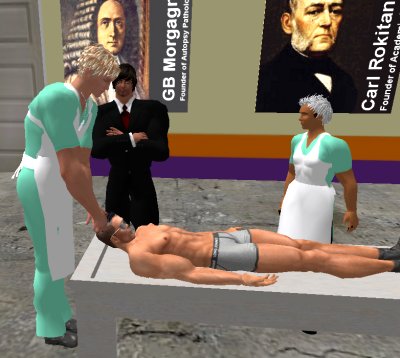
| If you have a Second Life account, please visit my teammates and me at the Medical Examiner's office. |
Teaching Pathology
 Ed's Pathology Review for USMLE I


 | Pathological Chess |
 |
Taser Video 83.4 MB 7:26 min |
 |
Click here to
see the author prove you can have fun skydiving without being world-class. Click here to see the author's friend, Dr. Ken Savage, do it right. |


 Endocrine
 Normal pituitary
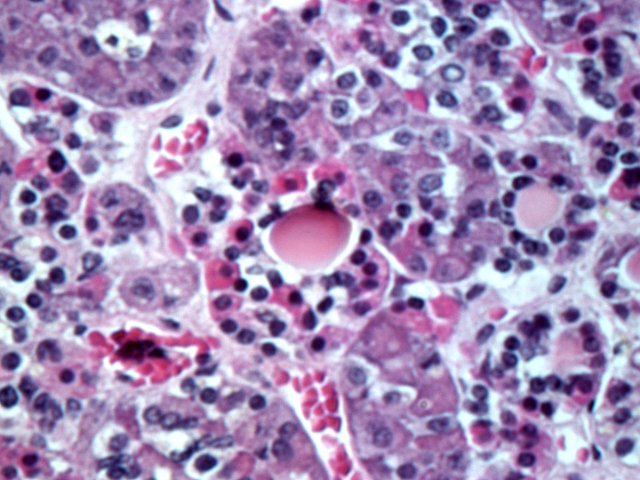 Pituitary gland
 Pituitary adenoma
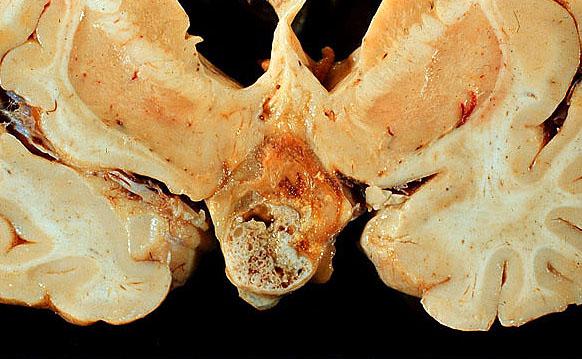 Craniopharyngioma
 Craniopharyngioma