Ed Friedlander, M.D., Pathologist
scalpel_blade@yahoo.com

No texting or chat messages, please. Ordinary e-mails are welcome.

|

|
 |
 |
 |
 |
 This site complies with the HONcode standard for trustworthy health information: This site complies with the HONcode standard for trustworthy health information: verify here. |
Cyberfriends: The help you're looking for is probably here.
This website collects no information. If you e-mail me, neither your e-mail address nor any other information will ever be passed on to any third party, unless required by law.
This page was last modified January 1, 2016.
I have no sponsors and do not host paid advertisements. All external links are provided freely to sites that I believe my visitors will find helpful.
Welcome to Ed's Pathology Notes, placed here originally for the convenience of medical students at my school. You need to check the accuracy of any information, from any source, against other credible sources. I cannot diagnose or treat over the web, I cannot comment on the health care you have already received, and these notes cannot substitute for your own doctor's care. I am good at helping people find resources and answers. If you need me, send me an E-mail at scalpel_blade@yahoo.com Your confidentiality is completely respected. No texting or chat messages, please. Ordinary e-mails are welcome.
 I am active in HealthTap,
which provides free medical guidance from your cell phone.
There is also a fee site at
www.afraidtoask.com.
I am active in HealthTap,
which provides free medical guidance from your cell phone.
There is also a fee site at
www.afraidtoask.com.
 If you have a Second Life account, please visit my teammates and me at the Medical Examiner's office. |

|
 |
With one of four large boxes of "Pathguy" replies. |
 I'm still doing my best to answer
everybody.
Sometimes I get backlogged,
sometimes my E-mail crashes, and sometimes my
literature search software crashes. If you've not heard
from me in a week, post me again. I send my most
challenging questions to the medical student pathology
interest group, minus the name, but with your E-mail
where you can receive a reply.
I'm still doing my best to answer
everybody.
Sometimes I get backlogged,
sometimes my E-mail crashes, and sometimes my
literature search software crashes. If you've not heard
from me in a week, post me again. I send my most
challenging questions to the medical student pathology
interest group, minus the name, but with your E-mail
where you can receive a reply.
Numbers in {curly braces} are from the magnificent Slice of Life videodisk. No medical student should be without access to this wonderful resource.
 I am presently adding clickable links to
images in these notes. Let me know about good online
sources in addition to these:
I am presently adding clickable links to
images in these notes. Let me know about good online
sources in addition to these:
 My team:
pathology.org -- my cyberfriends, great for current news and browsing for the general public
EnjoyPath -- a great resource for everyone, from beginning medical students to pathologists with years of experience
Medmark Pathology -- massive listing of pathology sites
Estimating the Time of Death -- computer program right on a webpage
Pathology Field Guide -- recognizing anatomic lesions, no pictures
Freely have you received, freely give. -- Matthew 10:8. My site receiver(an enormous amount of traffic, and I'm still handling dozens of requests for information weekly, all as a public service.
Pathology's modern founder, Rudolf Virchow M.D., left a legacy of realism and social conscience for the discipline. I am a mainstream Christian, a man of science, and a proponent of common sense and common kindness. I am an outspoken enemy of all the make-believe and bunk that interfere with peoples' health, reasonable freedom, and happiness. I talk and write straight, and without apology.
Throughout these notes, I am speaking only for myself, and not for any employer, organization, or associate.
Special thanks to my friend and colleague, Charles Wheeler M.D., pathologist and former Kansas City mayor. Thanks also to the real Patch Adams M.D., who wrote me encouragement when we were both beginning our unusual medical careers.
If you're a private individual who's enjoyed this site, and want to say, "Thank you, Ed!", then what I'd like best is a contribution to the Episcopalian home for abandoned, neglected, and abused kids in Nevada:

My home page
More of my notes
My medical students
Especially if you're looking for information on a disease with a name that you know, here are a couple of great places for you to go right now and use Medline, which will allow you to find every relevant current scientific publication. You owe it to yourself to learn to use this invaluable internet resource. Not only will you find some information immediately, but you'll have references to journal articles that you can obtain by interlibrary loan, plus the names of the world's foremost experts and their institutions.
Alternative (complementary) medicine has made real progress since my generally-unfavorable 1983 review. If you are interested in complementary medicine, then I would urge you to visit my new Alternative Medicine page. If you are looking for something on complementary medicine, please go first to the American Association of Naturopathic Physicians. And for your enjoyment... here are some of my old pathology exams for medical school undergraduates.
I cannot examine every claim that my correspondents
share with me. Sometimes the independent thinkers
prove to be correct, and paradigms shift as a result.
You also know that extraordinary claims require
extraordinary evidence. When a discovery proves to
square with the observable world, scientists make
reputations by confirming it, and corporations
are soon making profits from it. When a
decades-old claim by a "persecuted genius"
finds no acceptance from mainstream science,
it probably failed some basic experimental tests designed
to eliminate self-deception. If you ask me about
something like this, I will simply invite you to
do some tests yourself, perhaps as a high-school
science project. Who knows? Perhaps
it'll be you who makes the next great discovery!
Our world is full of people who have found peace, fulfillment, and friendship
by suspending their own reasoning and
simply accepting a single authority that seems wise and good.
I've learned that they leave the movements when, and only when, they
discover they have been maliciously deceived.
In the meantime, nothing that I can say or do will
convince such people that I am a decent human being. I no longer
answer my crank mail.
This site is my hobby, and I do not accept donations, though I appreciate those who have offered to help.
During the eighteen years my site has been online, it's proved to be one of the most popular of all internet sites for undergraduate physician and allied-health education. It is so well-known that I'm not worried about borrowers. I never refuse requests from colleagues for permission to adapt or duplicate it for their own courses... and many do. So, fellow-teachers, help yourselves. Don't sell it for a profit, don't use it for a bad purpose, and at some time in your course, mention me as author and William Carey as my institution. Drop me a note about your successes. And special thanks to everyone who's helped and encouraged me, and especially the people at William Carey for making it still possible, and my teaching assistants over the years.
Whatever you're looking for on the web, I hope you find it, here or elsewhere. Health and friendship!



Describe some theoretical mechanisms of autoimmune disease. Give examples of known or suspected triggers for autoimmune disease.
List the common autoimmune diseases -- both those included in this lecture, and related disorders.
Give the predisposing factors, typical symptoms, signs, laboratory findings (especially autoantibodies), and pathologic anatomy for each of the following:
systemic lupus
discoid lupus
drug induced lupus
Sjogren's syndrome
progressive systemic sclerosis (scleroderma)
polymyositis and dermatomyositis
fibromyalgia syndrome ("fibrositis" -- not an autoimmune disease)
graft vs. host disease
Give the distinguishing features for each of the following:
CREST syndrome (anti-centromere disease)
mixed connective tissue disease (anti-ribonucleoprotein disease)
Recognize the following using the microscope:
acanthosis
parakeratosis
keratin plugs
hydropic change of basal cells
lupus dermal inflammatory infiltrate
Sjogren's changes in salivary gland
scleroderma skin changes
intimal proliferation ("onion-skinning") in the renal arteries
rheumatoid nodule (characteristic features)
polymyositis
Recognize lupus as today's "great imposter", and keep a high index of suspicion for all the common autoimmune diseases.
|
|
|
|
|
 KCUMB Students
"Big Robbins" -- Immuno
Lectures follow Textbook
INTRODUCTION TO AUTOIMMUNE DISEASE
Autoimmune disease in humans can involve any of the types of "immunologic injury". (Type I injury is rare.)
The mechanisms of autoimmunity remain speculative, despite the elaborate discussion in "Big Robbins". Current review: Lancet 382: 819, 2013. To begin with, nobody really understands why our immune system doesn't attack ourselves more often. You'll hear about CLONAL DELETION, CLONAL ANERGY, and SUPPRESSION OF AUTOREACTIVE CLONES (by such things as anti-idiotype networks, etc.)
Whatever the "cause" of autoimmunity, infectious agents may be involved as triggers. The usual mechanism cited is MOLECULAR MIMICRY -- the immune system attacks the invader, and the immune response then cross-reacts with something in the healthy tissues that resembles the microbe antigenically. For example:
Coxsackie B virus apparently shares an antigen with myocardium, and infection with this virus can
trigger a lethal myocarditis ("Barney Clark's disease", etc.)
virus apparently shares an antigen with myocardium, and infection with this virus can
trigger a lethal myocarditis ("Barney Clark's disease", etc.)
Measles virus shares an antigen with T-cells, and people with measles have greatly diminished
T-cell function (anergy).
The Lyme
bacillus flagellum protein ("flagellin") is a mimic for axon protein, and one of the most
dread effects of Lyme infection is toxicity to the nerves; molecular mimicry
seems to be a factor in both nerve disease and muscles
(Nat. Med. 5: 1346, 1999 -- still good). An outer surface
protein is a mimic for one of the HLA types that, when present,
results in Lyme patients developing an arthritis that does not resolve
after the micro-organisms are killed (J. Immuno. 166: 5286, 2001).
Beta-hemolytic streptococci
share an antigen with myocardium (causes the myocarditis of rheumatic
fever) and basal ganglia ("St. Vitus Dance", "Sydenham's chorea", PANDAS -- "pediatric
acquired neurotic disorder after strep").
* During the 1990's, several gram-negative bacilli were "usual suspects" in autoimmune disease. Again, the area's hard to study; the one link that seems to be holding up is klebsiella and ankylosing spondylitis / the HLA-B27 family (Ann. N.Y. Acad. Sci. 1110: 112, 2007). The molecular biology of gram-negative bacterial-induced molecular mimicry: Nat. Med. 6: 215, 2000; update Arth. Rheum. 62: 420, 2010.
Molecular mimicry seems to be the way helicobacter triggers autoimmune chronic atrophic gastritis (classic paper Inf. Imm. 64: 2031, 1996).
Primary biliary cirrhosis is strongly suspected to result from molecular mimicry from chemicals and/or infectious agents (Lancet 377: 1600, 2011).
* Yersinia enterocolitica as the trigger of Graves's disease? The Chinese say the antibodies are the same: J. Clin. Endo. Metab. 95: 4012, 2010.
* Molecular mimicry to bacteria probably causes the production of the autoantibodies that cause Guillain-Barre syndrome (Neurology 54: 1453, 2000; Lancet 352: 635, 1998; Neurology 57: 736, 2001).
* Molecular mimicry is the cause of post-herpes corneal
interstitial inflammation in mice (Science 279:
1344, 1998).
* Behçet's (aphthous-style ulcers in the mouth, maybe genitals, elsewhere, plus maybe vasculitis-thrombosis, plus maybe iridocyclitis) seems to be caused by T-cell autoimmunity / molecular mimicry against the heat-shock proteins (Lancet 347: 789, 1996; Lancet 350: 28, 1997).
Molecular mimicry by several different proteins of the trypanosome is now established as the cause of the variable autoimmune diseases seen after acute Chagas disease (Circulation 115: 1109, 2007). Especially, the epidemic form of pemphigus seen in tropical Latin America seems to be due to insect saliva proteins that cross-react with human epidermis.
AIDS virus infection can simulate (trigger?) lupus, rheumatoid arthritis, Sjogren's, or polymyositis and dermatomyositis. Of course, here we are dealing with altered immune modulation rather than molecular mimicry.
Other triggers are also becoming apparent.
Thymomas express something very much like acetyl choline receptor, thereby triggering myasthenia gravis (Lancet 339: 707, 1992). Oat cell carcinoma (a lung cancer that simulates nerve cells in several respects) is notorious for exciting autoantibodies against cerebellum, retina, synapse, and/or amygdala. There are several less-well-known, similar paraneoplastic illnesses.
* There is one report of a new anti-neutrophil cytoplasmic antibody (pauci-immmune focal necrotizing glomerulonephritis) recognizing lysosomal membrane protein-2, produced after a bacterial flagellar protein to which they cross-react. Watch this one (Nat. Med. 14: 1088, 2008).
The first strong link between a paraneoplastic disease and a specific genetic mutation producing a neoantigen in a cancer: Science 343: 147 & 152, 2014 (severe scleroderma with antibodies about RNA polymerase III arising from tumors with mutated POLR3A, the gene for the polymerase).
Foreign materials may alter the body enough that it begins attacking itself. Decide for yourself whether breast implants ever cause lupus and scleroderma (I'm unimpressed). But it's been held that there's a link between coal and rock dust exposure and several autoimmune diseases ("Caplan's").
More generally, since the autoimmune diseases exacerbate and remit (until fibrosis / gliosis dominate the picture, of course), it's easy to believe that they result from modulation problems within complex feedback networks.
In Sjogren's, insulin-dependent diabetes, and some other autoimmune diseases of glands, part of the pathogenesis seems to be inappropriate expression of HLA-D (i.e., class II) proteins on the target organ's cells. More about this later.
Even more curious, the T-cells of lupus patients evidently attack monocytes and cause them to undergo apoptosis, both providing more antigen and failing to clear apoptotic debris (J. Immunol. 167: 5963, 2001; J. Immunol. 169: 6020, 2002; Arth. Rheum. 46: 191, 2002).
Your lecturer predicts that in the near future, clones of lymphocytes in patients with autoimmune diseases will be identified bearing mutatations that are signatures for particular diseases.
Also watch microchimerism, reactions between the cells that pass between mother and child during pregnancy and may linger for decades (Sci. Am. 298(2): 72, 2008). The role of chimerism in lupus, for example, is speulative but interesting (Rheumatology 46: 200, 2007).
By far the most interesting work in autoimmune disease nowadays is the treatment of children with autologous and allogenic hematopoietic stem cells. This seems to work wonders for childhood lupus, juvenile rheumatoid arthritis, and childhood diabetes mellitus. Stay tuned. Ped. Clin. N.A. 57: 239, 2010.
It's hard to study, but I've been able to find nothing at all published recently to support the "pop" notion that emotional stress precipitates autoimmune disease.
* If you are very interested in the molecular basis of the immunogen-toleragen seesaw, check out Lancet 357: 2115, 2001 (you'll find nothing less confusing since.)
The first autoimmune disease discovered to have a genetic basis is the thankfully-rare AUTOIMMUNE LYMPOPROLIFERATIVE SYNDROME, in which there is a defect in the FAS gene, the apoptosis trigger. This complex syndrome features lack of neutrophils, diseases caused by autoantibodies, and useless proliferation of lymphocytes simulating malignant lymphoma.
Rules that almost always work:
Autoimmune diseases typically are linked to particular Class I (A, B, or C) or Class II (D) HLA antigens, but not both. Those linked to particular class I antigens (i.e., ankylosing spondylitis, reactive arthritis after a bacterial infection, common psoriasis) are more common in men, while those linked to class II antigens (the rest of the autoimmune diseases) show a slight to striking female preponderance. (Type I diabetes favors neither males nor females.) Patients inherit the same HLA antigens as many of their healthy counterparts.
Again, "because they reflect deviations in complex control networks", the autoimmune diseases are diseases of exacerbations and remissions. Don't try to understand this yet. The immune system is a chaotic system, with tiny tweaks able to cause large changes. For example, in lupus there are antibodies that bind antibodies that bind antibodies ("idiotype network": Nat. Med. 10: 17, 2004).
Monozygotic twins of patients are at increased risk, but it is never >30% or so (i.e., the risk is greatest with juvenile onset diabetes).
Selection of T-cells after antigenic stimulation has been studied in identical twins; if both are sick with a particular T-cell mediated disease, the clones they select tend to be identical; if only one is sick, responses tend to be different. (See Nature 364: 243, 1993.)
Siblings not inheriting the same HLA's that are linked to the immune disease are still at slightly increased risk.
The systemic autoimmune diseases are a family of chronic illnesses of generally unknown etiology. Their older name, "the collagen vascular diseases", is meaningless today. Except for DM-PM and the enthesopathies, all are more common in women.
They include systemic lupus, rheumatoid arthritis, juvenile rheumatoid arthritis, the enthesopathies (probably), scleroderma, DM-PM, Sjogren's syndrome, rheumatic fever, variants of all these, and overlap syndromes. (* We will save some of them for later.)
Each shows some familial tendency but no clear-cut pattern of inheritance.
There is a link between HLA antigens and various autoimmune diseases. The strongest link is between HLA-B27 and spondylitis.
Remember that all these diseases are likely to overlap, and that each is probably a syndrome with several possible causes.
"Lupoid chronic-active hepatitis" (several types) and "primary biliary cirrhosis" overlap with this family also, and may be seen with any "systemic autoimmune disease".
The autoimmune diseases all involve abnormal cellular proliferations (lymphocytes in systemic lupus, synovial lining cells in rheumatoid arthritis, fibroblasts in scleroderma and primary biliary cirrhosis, etc.)
Remember also that many apparently healthy people, especially older people, have autoantibodies in relatively high titers. No one knows why.
In the 1990's, we found we could treat some autoimmune diseases by feeding (later injecting) the autoantigen.
There's precedent for this kind of tolerization. The First Americans fed poison ivy to their babies, imparting a tolerance to the rhus hapten. The mechanisms (then and now) include suppression of immunity by TH2 cells, and depletion/anergy of TH1 cells.
Injecting a peptide that mimics myelin basic protein is now a mainstay of the management of multiple sclerosis. Stay tuned for more amazing successes.
* Using oral bovine type I collagen for scleroderma -- maybe helps, no miracles Arth. Rheum. 58: 1810, 2008.
* Here are the famous HLA linkages for diseases. This information is not very useful clinically, but has a way of popping up on exams (though not mine).
| A3 |
familial hemochromatosis (gene is in this and some other alleles |
| B8 & DR3 |
autoimmune Addisonism myasthenia gravis Sjogren's |
| B27 |
ankylosing spondylitis Reiter's syndrome enteropathic arthropathy autoimmune uveitis |
| B35 |
DeQuervain's |
| B38 | psoriatic arthritis |
| B51 | Behçet's |
| B47 |
21-hydroxylase deficiency (gene is in the allele) |
| Cw6 |
common psoriasis |
| DR2 |
Goodpasture's multiple sclerosis |
| DR3 |
celiac sprue / dermatitis herpetiformis lupoid hepatitis lupus (weak) |
| DR3, DR4 |
autoimmune diabetes |
| DR4 |
pemphigus rheumatoid arthritis (the DR4 alleles with the "shared antigen") |
| DR5 |
autoimmune pernicious anemia Hashimoto's autoimmune thyroiditis |
THE AUTOANTIBODIES (Am. J. Med. 100(2A): 16S, 1996)
The pattern may give you a hint of which antibody is present! (With today's newer tests, these don't work so well as they once did.)
| RIM PATTERN |  |
Probably anti-dsDNA. Your patient probably has SYSTEMIC LUPUS. |
| HOMOGENEOUS PATTERN |  |
Probably anti-histones. Your patient probably has DRUG-INDUCED LUPUS. |
| SPECKLED PATTERN |  |
Could be anti-Sm and/or anti-Ro/SSA and/or anti-La/SSB and/or anti-U1snRNP and/or any of several others. You'll certainly want to continue your workup! |
| CENTROMERE PATTERN |  |
An especially fine speckling with little background staining. This is anti-centromere, the marker for CREST / pulmonary hypertension. |
| NUCLEOLAR PATTERN |  |
anti-Th/To or anti-fibrillarin / anti-U3snRNP or anti-U17RNP. Think of SCLERODERMA, though most scleroderma patients don't show the nucleolar pattern. |
You can also order these tests for individual autoantibodies.
| anti-dsDNA | Anti-double stranded DNA. A misnomer, of course. Your patient has systemic lupus. About half of lupus patients have these antibodies. | |
| anti-ssDNA | Anti-single stranded DNA. Think of drug-induced lupus. | |
| anti-histone | Think of drug-induced lupus. | |
| anti-Sm | Anti-Smith. Your patient has systemic lupus. About a third of lupus patients have these antibodies. | |
| anti-Ro/SSA | Lupus, Sjogren's, neonatal lupus, or some mix of these. | |
| anti-La/SSB | Lupus, Sjogren's, or some mix of these | |
| anti-U1snRNP | Anti-ribonucleoprotein. When this is the main autoantibody, your patient has mixed connective tissue disease. | |
| Anti-Scl70 | Anti-topoisomerase I. Your patient has the bad kind of scleroderma. A large minority of people with the bad kind of scleroderma have this autoantibody. |
| Anti-centromere | Sensitive and specific for CREST, the limited scleroderma variant. | |
| Anti-Jo | Antibody against transfer-RNA synthetase. Your patient probably has polymyositis. About half of these patients have this autoantibody. |
 SYSTEMIC LUPUS ERYTHEMATOSUS (SLE, "the red wolf"; update on what we know
and how much more we don't Nat. Med. 18: 871, 2012).
SYSTEMIC LUPUS ERYTHEMATOSUS (SLE, "the red wolf"; update on what we know
and how much more we don't Nat. Med. 18: 871, 2012).
|
|
{08403} lupus immune complexes (green) trapped in the glomerulus
{28142} discoid lupus on the face (what features
do you see?)
Lupus is a common, dread, remitting and relapsing illness defined by clinical criteria that you will learn on Internal Medicine. (The most recent update Arth. Rheum. 64: 2677, 2012 allows the diagnosis to be made on a typical kidney biopsy with anti-dsDNA / ANA, or four of the criteria including one clinical and one immunologic.)
Lupus usually manifests as arthritis, skin changes, kidney damage, inflamed serosal membranes, fever, and mental changes. Most lupus victims look healthy, but they are very sick.
Lupus is mostly a disease of young women, though no one is immune; it is slightly more common in blacks. At least one woman in 1000 in the US and worldwide has overt lupus. (* The pediatric disease is essentially the same as the adult form: Pediatrics 83: 325, 1989).
* The biopsychosocial impact of lupus: Arthr. Rheumatol. 27: 13, 1984; J. Rheumatol. 13: 570, 1986. Probably little has changed.
Lupus is a disease of many curious autoantibodies directed against antigens that are common to most or all cells.
The etiology is unknown and surely differs from case to case.
The genomics points strongly to a host of genes along the gamma-interferon pathway. Much more about this in your immunology course.
Most of today's work focus on defective apoptosis and immune reaction to the products of apoptosis (for example, in the famous NZB/NZW mouse model: J. Imm. 181: 5264, 2008).
There is much discussion nowadays of defective clearance of apoptotic cells as "the cause of lupus" (Rheum. Dis. Clin. N.A. 26: 215, 2000; Arth. Rheum. 46: 191, 2002; Arth. Rheum. 48: 2888, 2003; Rheumatology 44: 1101, 2005). I'm starting to think it might be true (J. Imm. 182: 1982, 2009; Arth. Rheum. 60: 1733, 2009). This fits with the photosensitivity (why?), and might explain the lupus-like syndrome in complement component deficiencies (uh, maybe these are required to clear apoptotic bodies -- update with a focus on what's unknown Arth. Rheum. 54: 1543, 2006). However, excessive numbers or appearances of apoptotic bodies themselves is not seen in lupus under the microscope.
* Alfalfa, which contains L-canavanine, a bizarre amino acid, causes lupus in monkeys and sometimes in humans.
* For the classic review of the molecular biology of the principal lupus autoantigens, see Arthr. Rheumatol. 29: 457, 1986. These include nucleosomes (by far the most important -- J. Immuno 174: 3326, 2005; Am. J. Path. 172: 275, 2008) and the cytoplasmic Ro antigens; the mechanisms of immune activation appear to be novel for lupus (J. Clin. Invest. 115: 407, 2005).
An environmental agent may contribute. One group claims that dogs belonging to lupus patients are more likely than others to have autoantibodies (Lancet 339: 1378, 1992).
Which autoantibodies are harmful, and how they do their damage, is not always clear.
Most lupus patients make antibodies against their own DNA (mega-review NEJM 338: 1359, 1998). Double-stranded DNA ("native-DNA", * "peripheral" or "rim pattern antibodies") gets trapped in the glomeruli, where it complexes with anti-nDNA (see J. Rheumatol. 13: 512, 1986). The complexes cause damage by a Type III mechanism. (Of course, anti-nuclear antibodies of any sort should be harmless to living cells.)
Other anti-nuclear antibodies are responsible for the "hematoxylin bodies" (stripped homogenized nuclei) seen occasionally in tissues, and for the "LE cell phenomenon".
Hematoxylin bodies, pathognomonic of lupus, are altered homogenized remnants of nuclei. (* You will not be expected to recognize hematoxylin bodies.)
The LE body is a white blood cell nucleus that has been stripped of its cytoplasm during the phlebotomy, homogenized and opsonized by anti-nuclear antibodies (* typically anti-histone H1: Arth. Rheum. 41: 1446, 1998), and then eaten by a poly or mono. The cell that has eaten the LE body is then called the "LE cell".
|
{08394} LE cell; Giemsa stained preparation
|
Anti-Ro ("anti-SSA", an autoantibody against an RNA polymerase) crosses the placenta and causes heart block and discoid rash in newborns (probably by a type II immunologic injury). It also binds to the epidermis, and probably causes some of the photosensitivity.
Antibodies against neurons are thought to cause the psychosis and convulsions often seen in lupus. (Type II immunologic injury)
Antibodies against blood cells are known to cause the hemolytic anemia, neutropenia, and thrombocytopenia often seen (together or separately) in lupus (Type II immunologic injury).
Antigen-antibody complexes probably cause most of the arthritis and vasculitis (Type III immunologic injury).
 Lupus vasculitis
The histopathology is nonspecific
WebPath photo
Update on lupus vasculitis: Medicine 85: 95, 2006. The types are very diverse; having anti-Ro/SSA and/or anti-La/SSB on board puts you more at risk.
Antibodies to the phospholipids involved in initiating thrombosis is the troublesome "lupus anticoagulant" (an antiphospholipid antibody that inactivates a freely-floating molecule). This causes paradoxical deep-vein thrombosis, thrombocytopenia, and abortion. See below.
Antibodies against other clotting factors also can cause trouble.
Lupus patients make many other weird antibodies. (You will learn how and when to test for these sometime.) For example, they tend to develop false-positive syphilis tests (* "biologic false positives", BFP's).
* Now a robust finding: There is a population of abnormal, low-density neutrophils in the blood, specific for lupus, that wreck havoc. Stay tuned. J. Immuno 184: 3284, 2010.
Genetic factors:
* Lupus patients often have HLA-DR2, DR3, A1, and/or B8. The DR2 locus is often linked to a null allele for C4 (there's a mouse model for this now too).
Lupus runs in families, and there's been a great deal of work in the past ten years, mostly people trying to figure out what alleles for what immune molecules ("candidate genes") run with the disease. There's been a lot of data, but no unifying ideas.
Monozygous twins are 25% concordant for lupus, dizygous only 2% (Arth. Rheum. 35: 311, 1992).
Patients with hereditary C2, C4, * C1q (Arth. Rheum. 39: 663, 1996), * C1r, * C1s, * C5, * C7, or * C9 deficiencies get a lupus-like syndrome (Ann. Rheum. Dis. 46: 153, 1987).
* The search for a virus in lupus has been unrewarding. The "myxovirus-like particles" ("tubular arrays") seen in endothelium are a non-specific alpha-interferon effect (Arthr. Rheum. 29: 501, 1986).
Blood vessels:
Lupus vasculitis typically involves the small arteries and arterioles. Type III immune complex injury is usually implicated.
When acute vasculitis is bad, plasma proteins that have gelled in the walls are called "fibrinoid". If the walls are dead, "fibrinoid necrosis" is said to be present.
More chronic vasculitis leads to fibrosis and narrowing of vessels.
A reasonably specific change for lupus vasculitis is concentric adventitial fibrosis ("adventitial onionskinning") around the splenic arteries.
Kidney: ("The kidney is never really normal in ANA-positive systemic lupus.")
The glomerulus traps antigens or pre-formed immune complexes as the strainer does in a sink. Several different glomerular syndromes can result.
|
|
|
Lupus glomerulonephritis
Lots of immune complexes
WebPath photo
In addition, anti-tubular antibodies ("lupus interstitial nephritis") and vasculitis can impair kidney function.
Skin:
Patients must avoid sunlight. The famous "butterfly rash" ("acute cutaneous lupus") results (at least in part) from sunlight on the malar area of the face.
|
{08388} butterfly rash
{12273} butterfly rash {12274} butterfly rash {25551} butterfly rash {33208} lupus butterfly |
 |
The "discoid rash" is also exacerbated by sun exposure.
Involved areas are sharply demarcated ("discoid"), depigmented (the edges are likely to be hyperpigmented), hairless, scaly, and shiny. The microscopic picture shows:
{14316} discoid lupus
{08376} discoid rash of lupus, histology (nice
local hydropic change in basal layer)
{11985} discoid lupus
{28868} discoid lupus
{28877} discoid lupus (good plugs)
{28880} discoid lupus (good atrophy / hyperkeratosis
of epidermis)
Deposits of immunoglobulins and complement components ("fibrinoid") are found just below the basement membrane of both involved and uninvolved skin in the majority of lupus patients. These are detected by the "lupus band test" -- more on this when you see us again, or see Clin. Exp. Rheum. 17: 427, 1999.
Hives, ulcers, blisters all result from immune injury. The oral ulcers in lupus are usually painless.
Blisters in lupus ("bullous systemic lupus erythematosus") are probably caused by antibodies against type VII collagen (JAMA Derm 151: 539, 2015).
{08385} positive lupus band test (granules
along basement membrane are immune complexes)
{33205} positive lupus band test, better example
Mouth ulcers ("aphthae", little infarcts) are another annoying problem for many lupus patients.
Joints:
Arthritis (inflammation of joint tissues) is common in lupus. It resembles rheumatoid arthritis, though it is seldom mutilating.
It is probably due to type III immune injury. The histology is acute and chronic synovitis.
"Serositis":
Pleural and pericardial inflammation creates pain and small fibrinous effusions. By autopsy time, all lupus patients have pleural scarring.
Heart (Mayo Clin. Proc. 74: 275, 1999; J. Clin. Path. 62: 584, 2009):
The best-known and most typical change is "nonbacterial verrucous endocarditis" (verrucous means warty), also called "Libman-Sacks endocarditis". Update Am. J. Med. 120: 636, 2007; maybe one lupus patient out of 10 will be affected eventually.
Many small vegetations ("verrucae") occur on all parts of the valves (most often mitral, but any can be involved). They are made up of necrotic debris with acute and chronic inflammation; they may organize. Now that lupus patients are surviving longer, it's clear that Libman-Sacks endocarditis is a major problem.
Despite old claims to the contrary, valves do in fact become mutilated in lupus, probably from fibrin organizing on their surfaces (NEJM 319: 861 & 877, 1988). There is a strong correlation between Libman-Sacks and the presence of antiphospholipid and anticardiolipin antibody (classic paper Am. J. Med. 89: 411, 1990).
{06962} Libman-Sacks endocarditis in lupus
Coronary vasculitis occasionally causes sudden death in lupus patients. In addition, these patients have accelerated coronary artery atherosclerosis for some reason, independent of the Framingham risk factors.
"Neonatal lupus" is due to maternal anti-Ro(SSA) (* rarely anti-La/SSB or anti-U1-snRNP -- NEJM 316: 1135, 1987). These children have a rash and a serious heart block (anti-Ro attacks their AV node tissue); those that come to autopsy have fibrosis of the AV node and its distal conduction system (Rheumatology 51: 1086, 2012). This can even stop the heart of the unborn child, causing death (Br. J. Rheum. 37: 740, 1998; Q. J. Med. 66: 125, 1988).
* Lupus myocarditis is thankfully rarely apparent clinically, but today's high-powered cardiac investigations are picking up some subclinical cases (Am. J. Med. 113: 419, 2002).
Blood:
Patients with lupus have increased total serum gamma globulins ("polyclonal gammopathy"; a lab test result).
Antibodies against red cells, neutrophils, and/or platelets can cause the corresponding cytopenias.
Patients with "lupus anticoagulant" tend to have paradoxical thrombosis rather than hemorrhage. More about this soon.
This was a subject for intensive investigation in the late 1980's. Closely akin to -- but not identical with -- lupus anticoagulant are anticardiolipin antibodies that cause spontaneous abortion (thrombosis and infarction of the placenta, or more plausibly, improper implantation Proc. Nat. Acad. Sci. 90: 6464, 1993) & thrombosis and are present in many patients with lupus. Both are related to false-positive tests for syphilis.
And lupus patients can develop a bleeding tendency due to antibodies against clotting factors (especially factor VIII), thrombocytopenia, and/or vasculitis.
Or they can just get deep vein thrombosis, without the anticoagulant (Arch. Int. Med. 154: 164, 1994).
Autoimmune thrombotic thrombocytopenic purpura is well-known in lupus and caused by an antibody against the serum factor that handles used vWF.
* Fulminating lupus hemophagocytic syndrome: Ann. Int. Med. 114: 387, 1991.
Lungs:
Only a few patients get pulmonary lesions directly attributable to lupus (Chest 88: 265, 1985).
* In severe pulmonary lupus, the alveolar walls undergo fibrosis, probably as the result of type III immune complex injury. In bad cases, the vasculitis causes bleeding into the alveoli (Am. J. Clin. Path. 85: 552, 1986).
Liver:
Brain:
Fatigue is a major problem for most lupus patients, and is often the presenting complaint (Arch. Neurol. 46: 1121, 1989).
Brain infarcts (strokes) are a serious problem in many lupus victims.
* In the past, lupus cerebral vasculitis (few inflammatory cells, much intimal proliferation) has been blamed for most infarcts (strokes) in these patients. It now appears that lupus anti-cardiolipin antibody is present in most lupus patients with strokes, and the problem may be thrombosis instead (Am. J. Med. 86: 391, 1989).
NMR studies show evanescent inflammatory lesions and/or generalized atrophy (Arthr. Rheum. 31: 159, 1988; J. Rheumatol. 15: 601, 1988).
The mental illness that lupus patients often show, once attributed to antiribosomal P antibodies (an uncommon antibody quite specific for lupus), is now more strongly linked to antibodies against the N-methyl-d-aspartate receptor subunit 2A (anti-NR2A): Rheumatology 50: 1578, 2011.
Spinal cord involvement ("myelitis") is common enough in lupus to have its own series, with gray matter (flaccidity) and white matter (spasticity) forms correlating with other features of the disease (Arth. Rheum. 60: 3378, 2011).
You will learn a great deal about working up lupus in advanced courses and on your internal medicine rotations.
Most lupus patients have anti-native (i.e., anti-double stranded) DNA, and this antibody is unusual except in lupus patents. These usually also react with some ribonucleoproteins, which may drive their production (J. Clin. Invest. 93: 443, 1994).
The few that don't have anti-native DNA will usually have anti-Ro/SSA (not specific for lupus), or anti-Sm ("Smith" antigen, a nuclear RNP from the spliceosome, specific for lupus, though present in only 30%).
Remember that many healthy people have low titers of anti-nuclear antibodies. I would not think twice about a titer of 1:40 or less.
Clinical course and treatment:
Lupus still kills people. This is usually the result of kidney failure, iatrogenic immunosuppression (infections), bleeding, heart failure, or brain damage. When I was in medical school in the 1970's, we were told that 25% of patients would die of the disease within the five years after diagnosis. Thankfully, the mortality is much less today. With today's treatment, about half of lupus patients have no measuarable organ damage by ten years (Rheumatology 48: 673, 2009).
After several years, the incidence of myocardial infarction becomes very high in these patients, probably because of steroid therapy (Am. J. Med. 83: 503, 1987). Iatrogenic disease in lupus patients: JAMA 263: 1812, 1990.
You will learn about various low-tech (* Omega-3 fish oil) treatments and high-tech (total lymphoid radiation, pulsed cyclophosphamide, super-high-chemo and stem-cell rescue Lancet 356: 701, 2000; TNF-receptor blockers Arth. Rheum. 56: 274, 2007, autologous stem cells JAMA 295: 527, 2006; lots more) treatments for lupus on rotations.
* Interesting work on lupus therapy includes on atacicept (TACI-Ig), which binds TNF-family cytokines (BLyS and APRIL) thereby allowing B-cell apoptosis instead of stimulation. Big study Arth. Rheum. 56: 4142, 2007. Of course rituximab is under study (Rheum. 47: 821, 2008). Even more promising is belimumab, a B-cell quieter, that seems especially helpful for lupus: Lancet 377: 721, 2011.
* Medical history buffs: Queen Anne and lupus. Br. Med. J. 304: 1365, 1992.
Lupus variants:
* SUBACUTE CUTANEOUS LUPUS ERYTHEMATOSUS: Anti-Ro, HLA-DR3, skin photosensitivity with papules, no scarring, sparing of the kidneys (Med. Clin. N.A. 73: 1073, 1989). Subclassifying the histopathology for dermatopathologists: Arch. Derm. 130: 54, 1994. Thalidomide is now used for treatment (Am. J. Med. 118: 246, 2005). The diagnosis is usually missed clinically; people just think they sunburn easily, and only if one thinks to order an anti-Ro will you make the call (and probably prescribe "Stay out of the sun." -- Swedish study Arth. Rheum.56: 255, 2007). People whose lupus is caused by homozygous C2 deficiency tend to develop anti-Ro and subacute cutaneous lupus. It's also a common expression of drug induced lupus and sensitivity to some chemotherapeutic agents in the absence of systemic lupus. Cutaneous lupus is now undergoing major revision in research criteria Arch. Derm. 147: 203, 2011.
CHRONIC DISCOID LUPUS ERYTHEMATOSUS (the usual form of "chronic cutaneous lupus") shows only the discoid skin changes. It is limited to sun-exposed skin. Around 10% of these patients eventually get the systemic disease, but most remain ds-DNA-negative and otherwise healthy. When severe, cyclosporine, methotrexate, and thalidomide have all proved helpful, and the new monoclonal efalizumab (anti-CD11a on the T-cells) has proved most promising (Arch. Derm. 143: 873, 2007).
Most DRUG-INDUCED LUPUS ERYTHEMATOSUS is precipitated by hydralazine, procainamide, isoniazid, penicillamine, or phenytoin (* Lovastatin lupus: Arch. Int. Med. 151: 1667, 1991).
The patients have anti-nuclear antibodies just as in lupus. Anti-histone antibodies (* "homogeneous pattern") are very characteristic, and the ones that actually make a person sick are anti-H2A-H2B antiguanosine autoantibodies (NEJM 318: 1431 & 1460, 1988).
The drug is of course acting as a hapten. The disease resolves when the drug is withdrawn.
* The anti-TNF agents such as etanercept occasionally precipitate classic (anti-dsDNA) lupus: Chest 134: 850, 2008; Rheumatology 48: 716, 2009.
Most of these patients are "slow acetylators"; you'll learn about them in Pharm.
* The linkage is with HLA-DR4.
* INCOMPLETE LUPUS: patients with suggestive findings but who do not meet the criteria for SLE. Prognosis is good (Arch. Int. Med. 149: 2473, 1989; the huge Dutch study reaches the same conclusion Rheumatology 40: 89, 2001).
* CANINE LUPUS is an important cause of morbidity in pet dogs ("Millie Bush's disease").
SJOGREN'S SYNDROME (Mikulicz's disease, "autoimmune exocrinopathy", "autoimmune epithelitis", etc. Review Br. J. Rheum. 35: 204, 1996.
A common, usually mild illness characterized by autoimmune damage to the salivary and lacrimal glands, plus arthritis.
Sometimes the vulvar and other glands are affected, and occasionally the renal tubules are ruined.
Most patients are middle-aged women. Sjogren's affects perhaps 2 million people in the US, though most probably do not know it.
The terminology is a little loose. This seems to be the common usage:
* "Mikulicz's syndrome" was once defined as large salivary and lacrimal glands infiltrated with lymphocytes, from any cause (Sjogren's, sarcoid, leukemia, lymphoma, AIDS, GVH-disease). Nowadays, there's a tendency to remember "Mikulicz's" as having been the IgG4-related fibrosing disease that damages salivary glands and/or lacrimal glands. Any of these diseases can cause dryness, and so can many common drugs, notably antihistamines, antipsychotic drugs, and antidepressants.
"Sicca syndrome" is unexplained dry eyes ("keratoconjunctivitis sicca") and dry mouth ("xerostomia") together, while the final diagnosis is waiting.
"Primary Sjogren's syndrome" is autoimmune exocrinopathy by itself, or with mild arthritis. Biopsy of a minor salivary gland (usually from normal-appearing lower lip) is now required for research subjects.
"Secondary Sjogren's syndrome" is diagnosed when there is associated autoimmune disease: "Sjogren's with lupus", "Sjogren's with scleroderma", "Sjogren's with polymyositis", or "Sjogren's with rheumatoid arthritis". Very common -- perhaps a majority of these patients have it: Ann. Rheum. Dis. 46: 286, 1987.
* One known "underlying disease" that causes Sjogren's is chronic hepatitis C infection. No one knows why (Am. J. Med. Sci. 325: 135, 2003).
* "The benign lymphoepithelial lesion" is an anatomic pathologist's description of the glandular enlargement due to Sjogren's; it may present as a mass.
{35591} Sjogren's histology, minor salivary gland,
fibrosis and lymphocytes
{35594} Sjogren's histology
{35597} Sjogren's histology; note lots and lots of lymphocytes
Sjogren's
Histopathology
WebPath photo
Sjogren's
Minor salivary gland
Wikimedia Commons
The autoantigens in Sjogren's (primary or secondary) seems to be ALPHA-FODRIN, a cytoskeleton component found in the salivary, lacrimal, and bronchial glands and rearranged when they secrete rapidly (Am. J. Path. 155: 173, 1999; Arch. Derm. 135: 535, 1999, Science 276: 604, 1997; Am. J. Path. 165: 53, 2004; Am. J. Path. 167: 1051, 2005; Rheumatology 46: 479, 2007) and the TYPE 3 MUSCARINIC ACETYLCHOLINE RECEPTOR (makes sense; Arth. Rheum. 44: 2376, 2001; Arth. Rheum. 54: 1165, 2006).
T-cells (mostly helpers; see Semin. Arthr. Rheumatol. 14: 77, 1984) infiltrate and destroy the glands.
The lymphocytic infiltration is patchy but dense, B-cells enter and germinal follicles may appear, and the acini and (later) ducts eventually are wrecked.
Lip biopsy has been widely used, and biopsy of the parotid seems to be about equally good (Rheumatology 46: 335, 2007). Minor salivary gland biopsy is especially helpful is amyloidosis is also in your "differential diagnosis": (Arth. Rheum. 59: 714, 2008).
The epithelial cells in these glands show abnormal expression of HLA-DR's on their epithelial cells (Hum. Path. 19: 932, 1988). Obviously something's really scrambled.
Primary or secondary, most Sjogren's patients have autoantibodies of one sort or another.
Almost all female Sjogren's patients have antibodies against two "cytoplasmic" antigens, anti-Ro/SSA and anti-La/SSB (Ann. Rheum. Dis. 45: 732, 1986; Arthr. Rheum 29: 1223, 1986).
Anti-Ro/SSA is found in many autoimmune diseases (remember it is the cause of neonatal lupus). * It is especially seen with type III immune-injury vasculitis, which can be devastating (Arthr. Rheumatol. 28: 1251, 1985; Am. J. Clin. Path. 88: 26, 1987), especially in the brain (AJR 197: 1207, 2011).
Anti-La/SSB is more specific for Sjogren's.
* The histo-compatibility antigens HLA-B8, Dw3, and DRw52 are markers for Sjogren's (Am. J. Med. 80: 23, 1986).
Manifestations
In "sicca syndrome", patients eventually get damage to the eyes, nasal and oral mucosa from dryness. Cracker sign: "Would you like to eat a dry cracker right now?" "NO!!" Ask whether the patient keeps a glass of water at the bedside to sip at night. Do you see lipstick on her front teeth? The unpleasant, official "dryness test" (* "Schirmer's") involves hanging a strip of filter paper out of the lower conjunctival sac for fifteen minutes and watching it not wet beyond 1 cm or so. This sounds like it violates the Geneva convention.
"Sjogren's is an abnormal proliferation of lymphocytes". Patients with diagnosed primary Sjogren's often develop B-cell malignant lymphomas (around 10% of primary Sjogren's patients eventually get lymphoma (J. Rheum 24: 2376 1998, Rheumatology 45: 1012, 2006 & many others.) Oncogenes and chromosomal rearrangements in "benign Sjogren's": Arth. Rheum. 40: 318, 1998.
* Up to 40% of patients have an interstitial nephritis, and this is occasionally a problem (severe distal renal tubular acidosis, potassium wasting; Ann. Int. Med. 110: 405, 1989).
Dr. Sjogren observed that these patients often develop chronic shortness of breath, and we now know that many of these patients get a lymphocytic bronchiolitis which can progress to pulmonary fibrosis. The histology is variable. Update Chest 130: 1489, 2006.
SCLERODERMA ("[Progressive] Systemic Sclerosis"): NEJM 360: 1989, 2009.
A family of mild-to-miserable, usually slowly-progressive diseases with excessive fibrosis throughout the body. The skin is always involved; death is due to damage to the kidneys, lungs, heart, or GI tract. About one person in 4000 has scleroderma (Mayo Clin. Proc. 60: 105, 1985).
The diagnosis of scleroderma is made on physical exam. It has never been a biopsy or lab doctor's disease.
The etiology and pathogenesis of scleroderma remain obscure.
* You'll hear reports of fibroblasts from these patients making too much collagen in tissue cultures, various cytokines (notably the newly-discovered CTGF, "connective tissue growth factor") causing excess collagen proliferation in the skin, and downregulation of proteins that prevent overcollagenization (Am. J. Path. 163: 571, 2003). However, no clear picture of the pathogenesis of scleroderma has emerged.
Autoimmunity appears to be a factor, as these patients often have autoantibodies. Human graft-vs.-host disease resembles scleroderma's skin, lung, and vascular lesions, and the best classic model uses B- and T-cells from one mouse strain to attack the tissues of another (Arth. Rheum. 50: 1319, 2004).
* There is a susceptability allele at the connective tissue growth factor locus, but the effect is not striking (NEJM 357: 1210, 2007). Searching for susceptibility loci using "immunochip analysis": Am. J. Hum. Genet. 94: 47, 2014.
Researchers need a definition of scleroderma to know who to include in studies. One big study (Medicine 87: 131, 2008) said anyone who (1) has Raynaud's phenomenon and (2) has at least one of the scleroderma-related autoantibodies:
* Just to make things even more difficult, there's a very small subgroup that seems to have classic scleroderma but never develops Raynaud's and never develops any autoantibodies: Rheumatology 52: 560, 2013.
"Anti-nucleolar antibodies" (* anti-fibrillarin and some others) are worth remembering as they give the "nucleolar" pattern on the old anti-nuclear antibody screening test.
{33248} anti-nuclear antibody preparation in scleroderma, with each of the thousand points of light a different nucleolus
Anti-topoisomerase I (* formerly Scl-86, etc.) is a marker for severe, diffuse disease, especially with lung involvement; more about the antibody and what keeps it going Arth. Rheum. 36: 1580, 1993; the epitope recognized determines the severity Arth. Rheum. 36: 1406, 1993). The antigen Scl-70, mentioned in Big Robbins, is a breakdown product of anti-topoisomerase I; today it's a common name for this "scleroderma test".
* This topoisomerase is a DNA-modifying enzyme that seems to work particularly well at the collagen gene, causing cells to produce too much collagen (Lancet 2: 475, 1988). This idea is supported by the discovery that the skin-tight mouse, the genetic model for scleroderma, has high topoisomerase, and if you can get the mouse to make fewer antibodies, it doesn't get so sick (Cell Immuno 167: 135, 1996). More on the mouse: Am. J. Path. 165: 641, 2004.
Apoptosis of endothelium is seen early in the disease, and it is now well-established that endothelium is altered throughout the body (Arth. Rheum. 63: 2067, 2011).
More likely, the deadly onionskinning results from a complex interplay of molecules. Watch for abnormal fibrous responses to endothelial damage: J. Imm. 174: 5740, 2005.
* With the endothelial damage, it is not surprising that scleroderma patients are at increased risk for athersosclerosis Arth. Rheum. 63: 2078, 2011.
Anti-centromere antibody in high titer more or less defines the milder CREST syndrome, a scleroderma variant (see below; Br. J. Derm. 113: 381, 1985; Am. J. Med. 77: 812, 1984).
* Anti-Th/To antibodies correlate with a milder, perhaps distinct, disease similar to CREST but with less gastrointestinal involvement and worse pulmonary fibrosis (Arth. Rheum. 41: 74, 1998). Stay tuned.
* Anti-fibrillarin antibodies correlate a severe, probably distinct scleroderma variant (Arth. Rheum. 39: 1151, 1996; J. Imm. 163: 1066, 1999).
* Antibodies against RNA polymerases I and III (distinct from Ro and La) seem to define a separate scleroderma variant that is especially rough on the kidneys. (Br. J. Rheum. 37: 15, 1998 -- update as a paraneoplastic scleroderma Science 343: 147, 2014). Antibodies against RNA polymerase II tend to occur with anti-topoisomerase I (Chest 114: 801, 1998). This has held up well.
Fetal cells are found in the skin lesions of about half of women with scleroderma, raising the possibility that it's often a variant of graft-vs.-host disease (which it resembles): NEJM 338(17):1186, 1998. This is holding up: Rheumatology 43: 965, 2004. Watch for more on "microchimerism"; no one knows how common it is even in healthy mothers. Today, it seems likely that we all have some of our mother's cells, and that women carry cells from their children (Sci. Am. 298(2): 72, Feb 2008).
In addition, there are vessel abnormalities.
A vasculitis and monocytic infiltrate precedes the fibrosis as it progresses.
Small vessels in many parts of the body show intimal proliferation. The histology is concentric fibrosis "onionskinning", but involving the intima this time) and/or myxoid proliferation.
The number of lymphatic vessels is also greatly reduced, at least in the fingers (Arth. Rheum. 62: 1513, 2010).
{08466} onion-skinning of intima of small artery in scleroderma
{08469} intimal proliferation in scleroderma (elastic
stain, kidney)
{24854} intimal proliferation in scleroderma demonstrated with PAS stain
{33259} intimal proliferation in small artery of the scleroderma kidney;
the tubules are atrophic because of the longstanding lack of blood flow
{17124} kidney vascular changes in scleroderma
|
|
|
|
|
A clinician can detect scleroderma by observing that only a few large capillaries remain in the nail folds. ("How to": Arch. Derm. 139: 1027, 2003).
Skin and cutaneous vessels (Med. Clin. N.A. 73: 1167, 1989):
Visible skin changes are preceded in almost all cases by Raynaud's phenomenon (fingers blanching on exposure to cold; the color sequence is white-blue-red), and then by swelling. (Gangrene of the fingertips is the result of severe Raynaud's.)
The skin eventually becomes tight and firm. This usually begins on the fingers ("sclerodactyly", "acrosclerosis") and hands.
The dermis becomes increasingly collagenized, the epidermis thins and loses its adnexa ("atrophy"), and it may progress to immobility.
{14335} scleroderma, hands (notice calcium in knuckles)
{14336} scleroderma, finger (notice that the
thin epidermis makes the skin shiny, and that the vessels are bunched
at the nail root)
{25460} scleroderma, acrosclerosis
{24626} scleroderma, hands
{24917} scleroderma, histology of skin
{08460} scleroderma, histology of skin
The altered dermis may calcify (feel for this in the finger pads). The calcium binds to gamma carboxyglutamic acid residues, so one can treat it with a low dose of coumarin.
Onionskinning of the intima of the digital vessels is present, and probably explains the Raynaud's.
The skin disease may never get farther than the hands, or may cause microstomia, bedsores, etc.
Alimentary tract (Dig. Dis. Sci. 53: 1163, 2008):
The smooth muscle of the gut, especially the esophagus, is replaced by collagen. "Rubber hose esophagus" is a serious problem, causing difficulty swallowing, reflux and aspiration of food. Gastroparesis is common, and pseudo-obstruction, bacterial overgrowth, and malabsorption may result from intestinal involvement.
Musculoskeletal system:
There is a mild chronic synovitis, and about 15% of patients get some chronic myositis with elevated creatine kinase levels, and collagenization and weakness in proximal extremities.
Kidneys:
The classic lesion in the kidneys is intimal proliferation ("onion-skinning") of the interlobular arteries in the kidneys.
Intimal onionskinning in the kidney is also typical of "malignant high blood pressure", where it is accompanied by necrosis and thrombosis of the arteries. One third of patients with scleroderma get high blood pressure due to the kidney changes, and one third of these get frank "malignant high blood pressure" ("scleroderma hypertensive crisis"). Great pictures: Am. J. Kid. Dis. 14: 236, 1989.
Lungs:
Scleroderma patients commonly get a diffuse interstitial-alveolar fibrosis. This limits the ability to breathe ("restrictive lung disease") and to get oxygen into the bloodstream ("alveolar-capillary block", "diffusion barrier"). This is most common in the generalized disease, but can occur in the limited forms as well (Chest 134: 601, 2008). Don't wory about the subtypes.
A few scleroderma patients have severe pulmonary hypertension, with intimal onionskinning of the pulmonary arteries. This is more common in the CREST syndrome, where perhaps 10% are affected.
{33274} scleroderma lung; trichrome stain shows collagen/scar blue
* There is often a patchy fibrosis in the heart, unrelated to coronary artery disease. There may be rhythm problems and/or pericarditis also (Rheumatology 53: 1172, 2014; Rheumatology 54: 647, 2015).
* Scleroderma patients often die during cold weather from chest colds.
* Other organs:
In unusual cases of scleroderma, there are cardiac rhythm disturbances, cardiomyopathy, polyneuropathy.
Probably the most interesting work in scleroderma involves the administration of autologous hemopoietic stem cells. It clearly is better than what we'd had before for lung disease: Lancet 378: 498, 2011 (from Northwestern); it also improves the skin disease. It's becoming clinical practice, with initial concerns about making the pulmonary fibrosis worse being sorted out: Lancet 381: 1116, 2013; JAMA 311: 2485, 2014.
Scleroderma variants:
CREST SYNDROME ("limited cutaneous scleroderma") -- a milder variant of scleroderma, distinguished by the presence of anti-centromere antibody.
Calcinosis, Raynaud's phenomenon, Esophageal dysfunction, Sclerodactyly, and Telangiectasias (groups of dilated vessels in the skin)
Pulmonary hypertension and/or primary biliary cirrhosis (J. Derm. 26: 18, 1999) are common in CREST. The kidneys are usually spared.
* For some reason, these people are also prone to bad periodontal disease and/or corneal ulcers and/or inner ear troubles (Medicine 87: 131, 2008).
Confirmation and titer of anti-centromere antibody is now a tube test ("anti-centromere protein B").
MORPHEA is "a form of scleroderma" confined to one area of the skin (Med. Clin. N.A. 73: 1143,
1989). Remember Lyme disease
as one known cause of morphea (surprise!) Classic
morphea does not turn into scleroderma and does not require any lab work beyond (probably)
a Lyme check.
Exactly what morphea has to do with scleroderma has always been debatable.
Morphea patients tend to be positive for anti-Th/To, and negative for other scleroderma markers (Rheumatology 40: 683, 2001).
* Future pathologists: The localized scleroderma variants feature inflammation and fibrosis of the papillary dermis; this is spared in regular scleroderma.
{12187} morphea
{14333} morphea
{15358} morphea
|
|
LOCALIZED LINEAR SCLERODERMA ("sabre-cut scleroderma") is rare and follows a dermatome (Ann. Int. Med. 104: 849, 1986) and may involve the underlying muscle. It's the common form of morphea/scleroderma in children.
* Parry-Romberg involves half of the face ("facial hemiatrophy"). Since patients often have local linear scleroderma as well, it's sometimes considered another morphea variant even though no one knows what morphea really is (J. Amer. Acad. Derm. 56: 257, 2007); curiously, it may involve bone / brain as well, and nowadays it seems that neither this illness nor local linear scleroderma typically have any positive labs suggesting any known autoimmune disease (J. Amer. Acad. Derm. 54: 227, 2006).
* EOSINOPHILIC FASCIITIS / "the Fasciitis-Panniculitis Syndromes" are yet another supposed systemic variant of scleroderma (though without skin involvement or Raynaud's or telangiectasias).
In these illnesses, the septa of the deep fat, and sometimes other collagen, thicken diffusely or locally for no obvious reason. Tissue around the veins may be spared, making them visible as grooves. Actually, eosinophils may or may not be abundant in the lesions and/or the blood. If prednisone fails, one option is cimetadine (Medicine 75: 6, 1996 -- still the major review).
One model for this was the L-tryptophan fiasco (NEJM 322: 874, 1990).
Another known cause is
Lyme disease
(JAMA 272: 1283, 1994).
A third was the toxic-oil fiasco in Spain.
There's been little study of this recently; fibroblasts from victims of this illness do not express the proteins that are likely to be overexpressed in classic scleroderma (J. Imm. 167: 7126, 2001).
* Infliximab for eosinophilic fasciitis: Rheumatology 49: 1184, 2010.
* Scleroderma-like changes developed on the hands of vinyl chloride workers, and some cases have been linked to industrial solvent exposures (J. Occup. Med. 29: 493, 1987). If augmentation mammoplasty is an additional cause, it is vanishingly rare (Ann. Int. Med. 111: 377, 1989; the article that sparked all the lawsuits).
There is at present no highly-effective treatment for scleroderma.
Historically, around 50% of scleroderma patients have ben alive five years after diagnosis (Arthr. Rheum. 34: 403, 1991); maybe half the time, the disease gets somewhat better by itself (Arth. Rheum. 44: 2828, 2001).
Penicillamine is often administered, which makes sense because it inhibits collagen synthesis.
Imatinib, which inhibits both TGF-beta and PDGF, helps in the experimental models; watch for it to be tried clinically (Arth. Rheum. 56: 311, 2007).
Bosentan, the endothelin receptor antagonist, for scleroderma: Arth. Rheum. 56: 1985, 2007.
Cyclophosphamide, especially for the lung disease: NEJM 354: 2655, 2006; Arth. Rheum. 56: 1676, 2007.
Interferon gamma and relaxin have proved disappointing (Lancet 367: 1683, 2006).
* Halofuginone is often suggested as a proposed drug for scleroderma; it prevents laying-down of the very-dense collagen, but not of normal collagen: J. Inv. Derm. 106: 84, 1996; Autoimmunity 35: 277, 2002.
* Serendipity: Patients given Iloprost for their Raynaud's report that this greatly helps the skin tightening; perhaps this modulates the CTFG effect (J. Clin. Invest. 108: 241, 2001)
The most encouraging work on scleroderma suggests that high-dose immunosuppression followed by infusion of your own adult stem cells arrests and even reverses the severe systemic disease (Blood 110: 1388, 2007; JAMA 299: 925, 2008).
* Medical history buffs: The most picturesque (and horrifying) Raynaud's syndrome is ergotism (intoxication with Claviceps purpura fungus from wet rye. Lysergic acid causes LSD-related psychosis as well as gangrene of the extremities and "St. Anthony's flame" neuropathy. Mass outbreaks are memorable and have occurred even in the mid-20th century.
POLYMYOSITIS and DERMATOMYOSITIS: Lancet 355: 53, 2000; immunology review from Harvard Neurology 69: 2008, 2007).
Polymyositis is an inflammatory disease that damages skeletal muscle.
Groups of muscle cells degenerate, and there is a chronic inflammatory infiltrate in the muscle. Pure polymyositis is mediated by T-cells attacking muscle.
Dermatomyositis is another inflammatory disease in which antibodies directed against endothelium involve the capillaries at the edges of muscle cell groups, and also skin involvement
* With the increased use of such TNF-inhibitors as etanercept, a "TNF-inhibitor" dermatomyositis is becoming familiar to dermatologists (Arch. Derm. 146: 780, 2010).
Various rashes occur, the characteristic ones being a lupus-like "butterfly rash", "heliotrope eyelids", and purple bumps on the knuckles (Gottron's sign). Others may mimic seborrhea.
{13120} Gottron's sign
{14342} heliotrope eyelids
{14338} Gottron's sign (easier
to see on the left hand than on the right hand)
{14339} Gottron's sign
{14340} Gottron's sign
{15346} butterfly rash (closely resembles lupus)
|
|
Muscle biopsy in dermatomyositis
Text and photomicrographs
Dr. Warnock's Collection
The etiology and pathogenesis of polymyositis-dermatomyositis are obscure. There is strong circumstantial evidence that autoimmunity is somehow involved, but you should ignore any elegant or complete descriptions of its pathogenesis.
Polymyositis and dermatomyositis tend to occur with evidence of any of the other collagen-vascular diseases, or with rheumatic fever, sarcoidosis or cancer.
Skeletal muscle ground up and injected with Freund's adjuvant is the basis for the induced animal models.
ANTISYNTHETASE SYNDROME, a subcategory of polymyositis, features antibodies against several of t-RNA synthetases (J. Immunol. 144: 1737, 1990; Clin. Exp. Rheumatol. 8: 259, 1990). Anti-Jo-1 (anti-histidyl-tRNA synthetase) was the first of these antibodies, which are markers for polymyositis-dermatomyositis (anti-Jo-1 is quite specific: Arth. Rheum. 39: 292, 1996) and also pulmonary fibrosis; some accounts say they predict a good response to glucocorticoid. Many more anti-tRNA-synthetases have been found (Arth. Rheum. 56: 1295, 2007).
ANTI-MI-2 DERMATOMYOSITIS is common in Mexico and in North Americans with lots of sunlight exposure; the prognosis is better. (Anti-Mi-2 is an anti-nuclear antibody; Mi-2 is a chromatin remodeler expressed in healing muscle: Arth. Rheum. 60: 3782, 2009).
* Suspected triggers include toxoplasmosis,
parvoviruses, immunizations, "stress". The drug
D-penicillamine (useful for rheumatoid arthritis and scleroderma) commonly causes DM-PM.
Simian AIDS features DM-PM in 50% of cases.
* C2-deficient people get a polymyositis-like syndrome in addition to their lupus.... The idiopathic disease is often associated with HLA-DR3/B8. Attempts to isolate a virus have failed.
* Dermatomyositis is a very common disease of collie and shelty puppies (Am. J. Path. 123: 465 & 480, 1986).
Whatever the cause(s), the muscle changes on physical exam and biopsy are characteristic.
Polymyositis affects the proximal muscles of the extremities most severely (weak hips and shoulders, weak neck flexors).
It spares the extra-ocular muscles (making it easy to distinguish from myasthenia gravis).
The muscles are at first sore, tender, swollen (edematous), and weak. (Patients may complain of "fatigue" instead).
Perivascular (think dermatomyositis) and endomysial (think polymyositis) inflammation, and muscle cell necrosis, are usually present on biopsy but may be subtle.
The pathologist also looks for decreased muscle cell diameter at the edge of the bundles (perifascicular atrophy), which is basically diagnostic for dermatomyositis. Fascia also tends to be involved extensively in dermatomyositis (Arth. Rheum. 62: 3751, 2010).
* Guessing from the biopsy whether it's polymyositis or dermatomyositis isn't altogether reliable. If you must...
Dermatomyositis
{05780} dermatomyositis, histology; note the lymphocytes in this particular case
{05789} dermatomyositis, late, trichrome stain; muscle cells
(red) are
largely replaced by scar tissue (blue)
{09039} polymyositis, histology in muscle; note lymphocytes
{14358} polymyositis, histology; good perifascicular atrophy
{29501} polymyositis; find a few
examples each of muscle fibers undergoing
necrosis, atrophy, and regeneration
Later, in severe disease, weakness is profound, and the muscles are fibrotic, there may be calcium deposits (often extensive in childhood dermatomyositis -- chemistry Arth. Rheum. 54: 3345, 2006), etc.
You will learn about the diagnosis of polymyositis-dermatomyositis in clinics.
There are often increased circulating eosinophils, especially in dermatomyositis.
Serum muscle enzymes are greatly increased (check creatine kinase, * aldolase is measured less often)
* Electromyography and muscle biopsy are also used.
When you suspect dermatomyositis, rule out cancer, especially in older patients, especially of the ovary. In a large minority of cases, the disease is the first sign of an internal malignancy (Ann. Int. Med. 134: 1087, 2001; NEJM 326: 363, 1992).
Polymyositis and dermatomyositis are miserable diseases, and are difficult to treat even today (Rheum. 44: 83, 2005).
MIXED CONNECTIVE TISSUE DISEASE (MCTD, "anti-U1-snRNP disease")
A mixed picture with features of lupus, polymyositis, and scleroderma. Patients have severe Raynaud's phenomenon, swollen fingers, mild myositis, and severe joint pain. Pulmonary hypertension is common. Seizures, psychosis, and glomerulonephritis are uncommon. The rest of the "mix" is more variable.
Response to glucocorticoids is often good.
High titers of antibodies against ribonucleoprotein (U1-snRNP, one of the "speckled pattern" antibodies) are characteristic and basically define the illness. Old questions about whether this is "really a separate disease" seem to be moot nowadays, and there's a mouse model produced by immunizing against U1-snRNP (Arth. Rheum. 54: 661, 2006)
Regardless, when U1snRNP titers are high, the patient will likely have arthritis / myositis (Br. J. Rheum. 37: 39, 1998).
Lately, it's become clear that about half of MCTD patients have pulmonary fibrosis on today's imaging studies (Rheumatology 44: 656, 2005); however, it lacks honeycombing and does not interfere much with one's health. And a large minority of MCTD patients have damage to the lining of the lung vessels ("pulmonary hypertension"), and treatment should probably be undertaken (Arth. Rheum. 52: 2125, 2005).
Anti-nuclear antibodies
Nucleolar pattern
WebPath photo
* FIBROMYALGIA SYNDROME ("allodynia", "fibrositis", "rheumatic pain modulation disorder"; "muscular rheumatism", not an autoimmune disease: Big current review Ann. Int. Med. 146: 726, 2007.
Fibrositis is the most common diagnosis made by consulting rheumatologists today. This is an extremely common, distinct disease without any known anatomic or laboratory correlates. (Just like today's oh-so-organic migraine was in the pre-1990's era, remember? It is a mysterious pain syndrome with morning stiffness, deep tenderness at predictable locations ("trigger points" -- to learn where and how to poke, see Arthr. Rheum. 31: 182, 1988). Patients are often disabled. There are EEG abnormalities in deep sleep, and probably some kind of disturbance in brain serotonin metabolism. By now, it's clear that there is a central problem with pain modulation ("nociception") in these patients: Arth. Rheum. 36: 642, 1993; Arth. Rheum. 40: 98, 1997.
Typical victims are young, effective women who dislike alcohol and Valium, and complain of nonrestorative sleep. There may be as many as 6 million patients with this illness in the U.S. I remember these patients being ridiculed (in the 1970's) as "total body pain" cases -- malingerers or neurotics. (Presently the "personality problems" of these patients are attributed to chronic pain.) Fibromyalgia syndrome is not presently considered to be an autoimmune disease. (This pathologist questions the experience of clinicians who have published photos of "positive lupus band tests" from these patients -- they look like classic negative studies. See RDCNA above.) The 1992 Copenhagen Conference declared this to be a real entity (Lancet 340: 1103, 1992) and attempts a better definition. Doubt about the syndrome's reality seems to have ended.
Treating fibrositis is complex; aerobic exercise is important (swimming, being non-impact, is often helpful), and certain drugs seem to help (try cyclobenzoprine 10 mg q HS, helps a large minority of patients; or nowadays the newer antidepressants). Acupuncture at the trigger points has been reported as useful, as is injection of anesthetics. Acupuncture gets a "definite maybe" from the Maryland Complementary Medicine Program: J. Fam. Pract. 48: 213, 1999. In 1987, I predicted the selective serotonin uptake inhibitors would be successful in treating fibromyalgia, and this has now been nicely confirmed. Guaifenesin, a current "pop" remedy, has a devoted following among self-help groups, and the drug seems to have some poorly-understood muscle-relaxant and analgesic properties (JABFP 17: 240, 2004; there was a small study for fibromyalgia yielding negative results in 1996 and nothing real since). Stay tuned.
* Reminder: You will study osteoarthritis ("wear and tear arthritis"), rheumatoid arthritis, the enthesopathies, and rheumatic fever later in the course. Another important cause of multi-joint arthritis is iron overload -- fairly common, and very preventable.
BIBLIOGRAPHY / FURTHER READING
I urge anyone interested in learning more about the autoimmune diseases to consult these standard textbooks.
In my notes, the most helpful current journal references are embedded in the text. Students using these during lecture strongly prefer this. And because the site is constantly being updated, numbered endnotes would be unmanageable. What's available online, and for whom, is always changing. Most public libraries will be happy to help you get an article that you need. Good luck on your own searches, and again, if there is any way in which I can help you, please contact me at scalpel_blade@yahoo.com. No texting or chat messages, please. Ordinary e-mails are welcome. Health and friendship!


| New visitors to www.pathguy.com reset Jan. 30, 2005: |
Ed says, "This world would be a sorry place if people like me who call ourselves Christians didn't try to act as good as other good people ." Prayer Request


| If you have a Second Life account, please visit my teammates and me at the Medical Examiner's office. |
Teaching Pathology
 Ed's Pathology Review for USMLE I


 | Pathological Chess |
 |
Taser Video 83.4 MB 7:26 min |
 |
Click here to
see the author prove you can have fun skydiving without being world-class. Click here to see the author's friend, Dr. Ken Savage, do it right. |


 Immune Disease
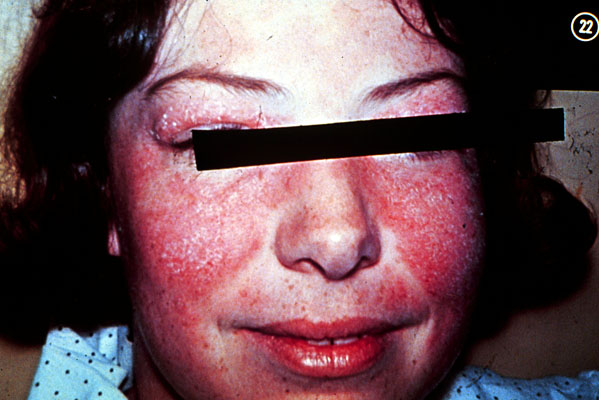 Systemic lupus
 Butterfly rash
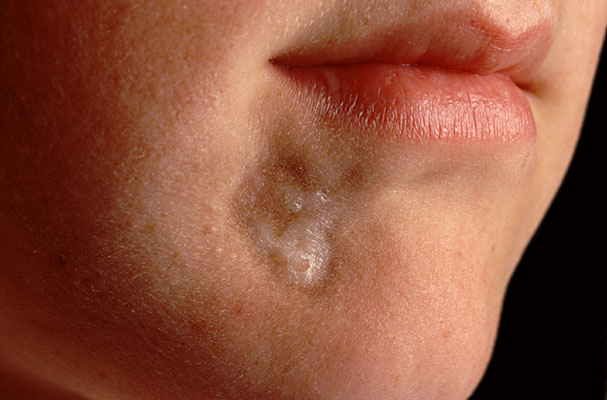 Morphea (localized scleroderma)
 MCTD
MCTD